
Key Takeaways
- HubBox lets customers pick up orders locally from shops, lockers, or service points, adding convenience beyond standard and express shipping.
- The platform embeds a branded pickup map at checkout, letting shoppers filter by opening hours, accessibility, or proximity for a consistent on-site experience.
- Features include mobile-friendly maps and integrations with Shopify, WooCommerce, BigCommerce, Magento, Salesforce Commerce Cloud, plus SDK access for custom stores.
- Shopify Plus pricing is negotiated directly (app is free to install). The Basic Plan is $300/month, with custom quotes for larger merchants; some carriers may cover year one.
- Users praise HubBox for easy setup, intuitive interface, and responsive support.
HubBox Lets Shoppers Pick Up Orders Locally: Here’s What That Means
Most e-commerce stores offer standard and express shipping, but HubBox adds a third option many customers prefer: picking up orders from nearby shops, lockers, or service points. This approach, long common in European ecommerce, is quickly gaining popularity elsewhere.
What HubBox Actually Does at Checkout
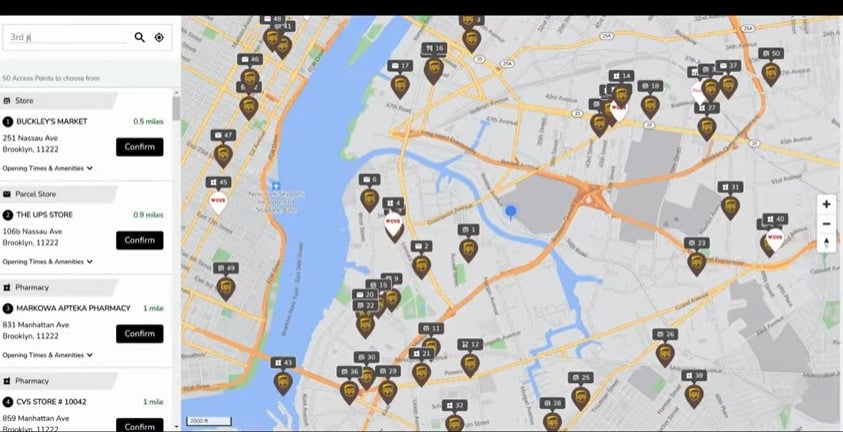
HubBox integrates directly into your checkout flow. Customers see a branded pickup map alongside shipping options and can filter locations by amenities like opening hours, accessibility, or proximity. The entire process stays on your site, maintaining a consistent, on-brand experience.
Who HubBox Is Built For
HubBox suits retailers across ecommerce, fashion, electronics, consumer goods, marketplaces, and omnichannel operations. It’s designed for businesses shipping physical products that want to reduce lost sales from high shipping costs or inflexible delivery windows, offering a convenient option that customers expect.

How AmpiFire Works:
- Research & Target: Find high-demand topics your buyers search for.
- Create & Repurpose: AmpiFire’s AmpCast AI generates news articles, blog posts, interview podcasts, longer informational videos, reels/shorts, infographics, flipbooks/slideshows, and social posts.
- Distribute & Amplify: Auto-publish to 300+ sites, including Google News, YouTube, Spotify, and major news networks.
Get more traffic from people who want to buy your stuff, and powerful “As Seen On” trust badges for your site.
Do It Yourself (with AI), Done For You Content, & 100% Managed Organic Growth options available.
Grow Your Free Traffic From Everywhere
HubBox Features Worth Knowing About
Beyond basic pickup functionality, HubBox includes features that improve both the customer experience and retailer operations in practical ways.
Branded Pickup Maps With Amenity Filters
The pickup map is fully branded to match your store, keeping the checkout experience consistent from start to finish. Customers can filter locations by opening hours, accessibility, and other amenities, helping them choose a convenient option. This reduces the chances of missed pickups and improves overall delivery success rates.
Mobile-Optimized Interface for Shoppers and Retailers
HubBox is built with mobile users in mind, ensuring the pickup selection process works smoothly on smaller screens. Customers can easily search, filter, and select locations without dealing with clunky navigation. This frictionless experience helps reduce cart abandonment at the delivery stage.
E-commerce Platform Integrations
HubBox connects with Shopify, BigCommerce, WooCommerce, Magento, and Salesforce through simple plugin-based integrations. Most retailers can install and configure it without needing technical expertise or a development team. The pickup option is embedded directly into the native checkout, maintaining a consistent and trustworthy experience.
API Access for Custom-Built Stores
For custom-built or headless ecommerce setups, HubBox provides SDK access for flexible integration with custom-built stores and native mobile apps. This allows businesses to tailor the pickup experience to their specific needs and workflows. It also supports more advanced use cases, like syncing with internal systems or showing pickup options in real time based on inventory.
HubBox Pricing: What Does It Actually Cost?
HubBox provides a simple pricing structure with a free entry plan and a paid tier for retailers needing more features or higher volume. Here’s a breakdown of what’s publicly known.
The Free Plan: What You Get at $0/Month
The free plan gives retailers access to core pickup functionality at no monthly cost. This includes enabling local pickup at checkout, branded pins on the pickup map, and access to the HubBox network. It’s ideal for smaller stores testing click-and-collect without committing a budget.
The Basic Plan at $300/Month
The Basic Plan costs $300 per month and adds more control, visibility, and capacity than the free tier. Exact features aren’t fully detailed publicly, but this tier suits retailers handling higher search and order volumes. HubBox also offers custom pricing for larger businesses with more complex needs.
How HubBox Works
The core mechanics of HubBox are simple, but understanding how each part works helps you use it effectively in your store.
The Pickup Point Network Explained
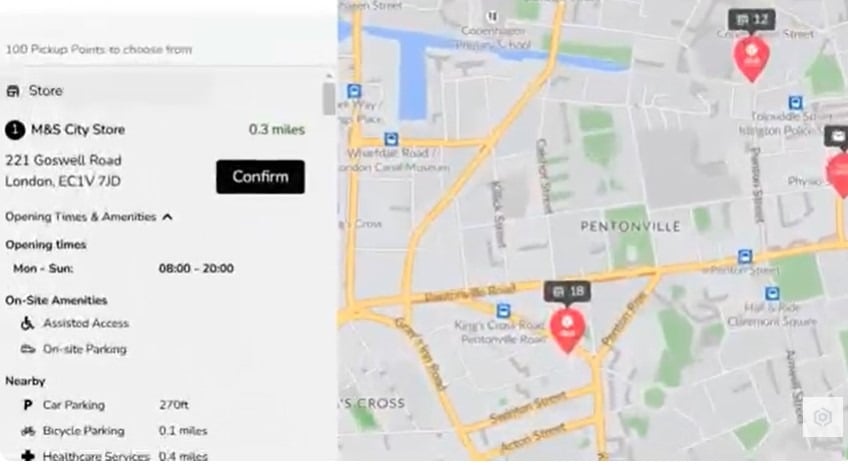
HubBox connects your store to a wide network of pickup locations across multiple countries. These locations can be filtered by opening hours and amenities, so customers only see options that fit their schedule. Availability depends on your region and supported carriers.
How Customers Select a Pickup Location
At checkout, customers see a branded pickup map within the delivery step.
Search by postcode or use their location to find nearby pickup points.
Once selected, the order is automatically routed to that location, creating a smooth, mobile-friendly experience.
How Retailers Connect HubBox to Their Store
HubBox integrates with platforms like Shopify, BigCommerce, WooCommerce, Magento, and Salesforce through native plugins. It also provides API access for custom-built stores. Most users find the setup quick, with responsive support during onboarding.
HubBox Reviews: What Real Users Say
HubBox has a strong reputation. Reviews consistently highlight easy setup, an intuitive interface, and responsive support as key strengths, while criticisms focus on limited feature visibility and regional pickup availability.
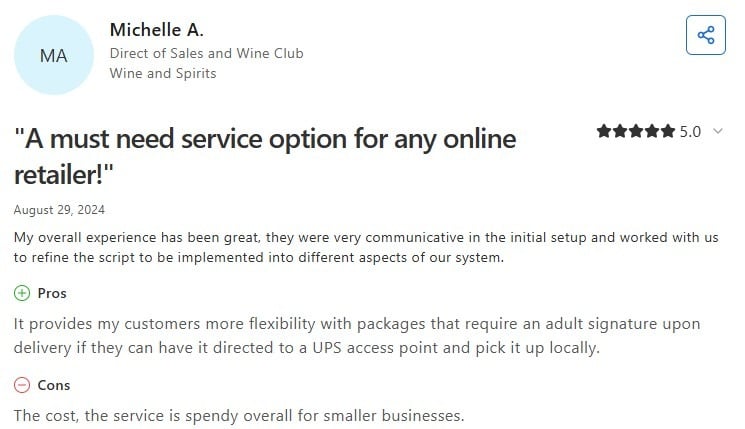
One user called HubBox an essential service for any online retailer, praising the team’s communication during setup and their help refining the integration across the system.
- Pros: The platform gives customers more flexibility, allowing customers to select a nearby UPS Access Point at checkout for convenient local pickup, useful for packages that require signatures or when home delivery is inconvenient.
- Cons: Some small businesses may find the service on the pricier side, though the value can justify the investment for retailers handling higher order volumes.
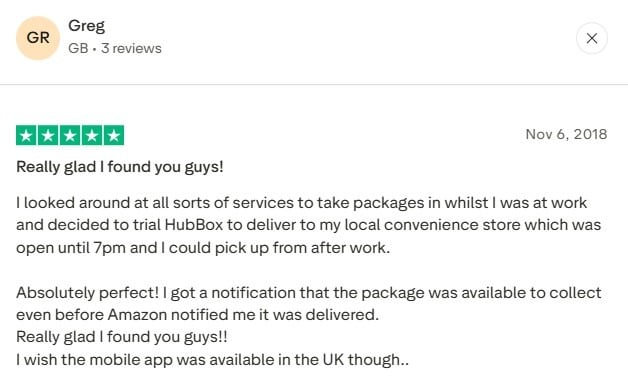
The user shared a positive experience with HubBox, saying they were glad to have found the service. They tested it by having a package delivered to a local convenience store that stayed open until 7 pm, allowing them to pick it up after work.
They praised the service for its convenience, noting they received a notification that the package was ready for collection even before Amazon’s delivery alert.
- Pros: Makes package pickup flexible and easy for busy schedules, with timely notifications.
- Cons: The user wished the mobile app were available in the UK for added convenience.
AmpiFire: Expand Your E-commerce Reach
With AmpiFire’s AmpCast AI, our clients grow their online stores by turning a single topic into 8 unique content formats: news articles, blog posts, interview podcasts, longer informational videos, reels/shorts, infographics, flipbooks/slideshows, and social posts.
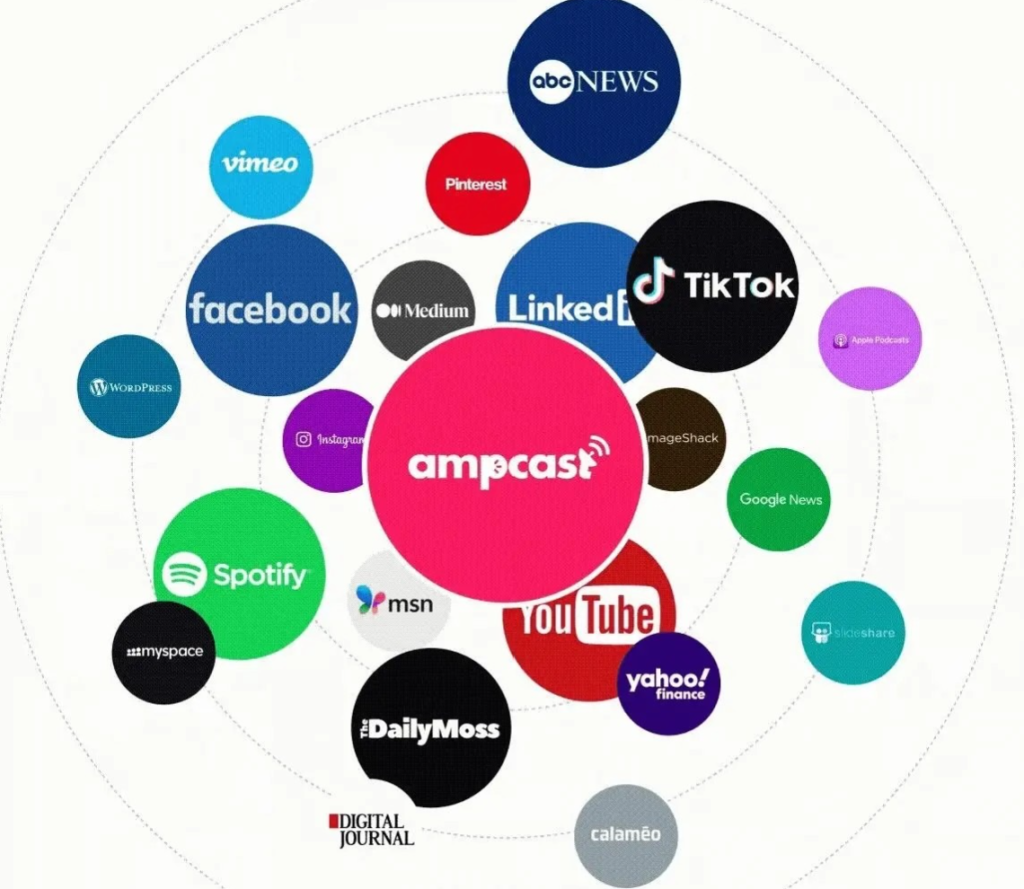
We distribute this content across 300+ high-authority platforms, including Google News, YouTube, Spotify, and Pinterest, helping retailers reach more customers without extra effort. Our Done-For-You services handle content creation, optimization, and multi-platform publishing, so ecommerce businesses can attract traffic, build audiences, and stop relying on paid ads alone.
Frequently Asked Questions (FAQs)
Does HubBox have a mobile app?
HubBox doesn’t have a standalone mobile app. Instead, the customer-facing features like the pickup map and location selector are fully mobile-optimized and built directly into your store’s checkout.
Shoppers can easily use these features through their mobile browser, while retailers manage everything through the HubBox platform online.
Which e-commerce platforms does HubBox integrate with?
HubBox works with major e-commerce platforms via native plugins, embedding the pickup map directly into checkout for a smooth experience. Custom-built or headless stores can connect through API, allowing flexibility for almost any storefront setup.
Does HubBox offer a free plan?
Yes, HubBox’s Shopify Plus plan is free to install, with service terms negotiated directly. Through HubBox’s Funded License Program, qualifying retailers can receive a free first-year subscription when using premium carrier partners like UPS, DPD, Royal Mail, or DHL.
All plans include the branded pickup map and carrier network access. For additional features, the Basic Plan and custom pricing options are available.
How can I drive more customers to use HubBox pickup options?
Increasing customer usage of HubBox pickup points starts with driving more traffic to your store.
AmpiFire’s AmpCast AI helps by creating and distributing news articles, blog posts, interview podcasts, longer informational videos, reels/shorts, infographics, flipbooks/slideshows, and social posts across 300+ platforms, including Google News, YouTube, and Spotify, bringing more visitors to your site.
When more shoppers see your products and promotions, they’re more likely to choose convenient HubBox pickup options, improving order completion and overall customer satisfaction.
Does HubBox offer an API?
Yes, HubBox provides full API access for custom or headless storefronts, giving retailers flexibility to integrate pickup options into their checkout and manage them as part of their broader operations.
*Disclaimer: Results may vary based on individual circumstances, business type, and content strategy. The time savings and outcomes mentioned are based on typical user experiences and are not guaranteed. For specific pricing and service details, please visit AmpiFire.
Author
Related Posts


Peech AI Features & Pricing: How Does this AI Video Editor Work?
Learn Peech AI's video editing features, pricing plans, and how this AI tool transforms long videos into engaging social media…

Omnisend Reviews, Features & Pricing: Is It a Good Marketing Platform for E-commerce?
Get honest Omnisend reviews. Learn features, pricing, and if this marketing platform is worth it for your e-commerce business and…


EmbedSocial Reviews, Pricing & Features: Is This The Best UGC Widget?
Find out how EmbedSocial helps brands embed social feeds, organize reviews, and display user-generated content with customizable widgets and AI…
Sender Reviews, Pricing & Features: Is This a Good Email Marketing Tool for Ecommerce?
Learn how Sender powers e-commerce growth with email & SMS marketing, automation, segmentation, analytics, and affordable plans for every business.
PR.co Pricing, Features & Reviews: Is This All-in-One PR Software Worth It?
Discover PR.co's features, pricing, and benefits in our comprehensive review. Learn if this all-in-one PR platform is right for your…

Tally Pricing, Reviews & Features: Is This Form Builder Worth It?
Find out if Tally is the right free form builder with unlimited submissions, robust integrations, and responsive support. Learn if…