
Key Takeaways
- Organic traffic comes from unpaid search results and content creation and publishing efforts, providing long-term, sustainable growth with higher user trust but slower initial results.
- Inorganic traffic is generated through paid advertising campaigns such as PPC, social media ads, and display networks, delivering immediate visibility but requiring ongoing investment.
- A balanced digital marketing strategy should incorporate both traffic types, with the ideal ratio depending on business goals, budget constraints, and timeline expectations.
- AmpiFire’s AmpCast technology transforms a single topic into 8 content formats (news articles, blog posts, interview podcasts, longer informational videos, reels/shorts, infographics, flipbooks/slideshows, and social posts) and distributes them across 300+ sites, efficiently automating organic traffic growth.
The Battle of Traffic Sources: Organic vs Inorganic
Website traffic falls into two main categories (organic and inorganic) that function like parallel highways leading customers to your digital doorstep.
Though they both deliver visitors, they operate on fundamentally different principles that impact everything from your budget to your long-term growth strategy.
Let’s unpack these differences to help you make informed decisions about your marketing investments.

How AmpiFire Works:
- Research & Target: Find high-demand topics your buyers search for.
- Create & Repurpose: AmpiFire’s AmpCast AI generates news articles, blog posts, interview podcasts, longer informational videos, reels/shorts, infographics, flipbooks/slideshows, and social posts.
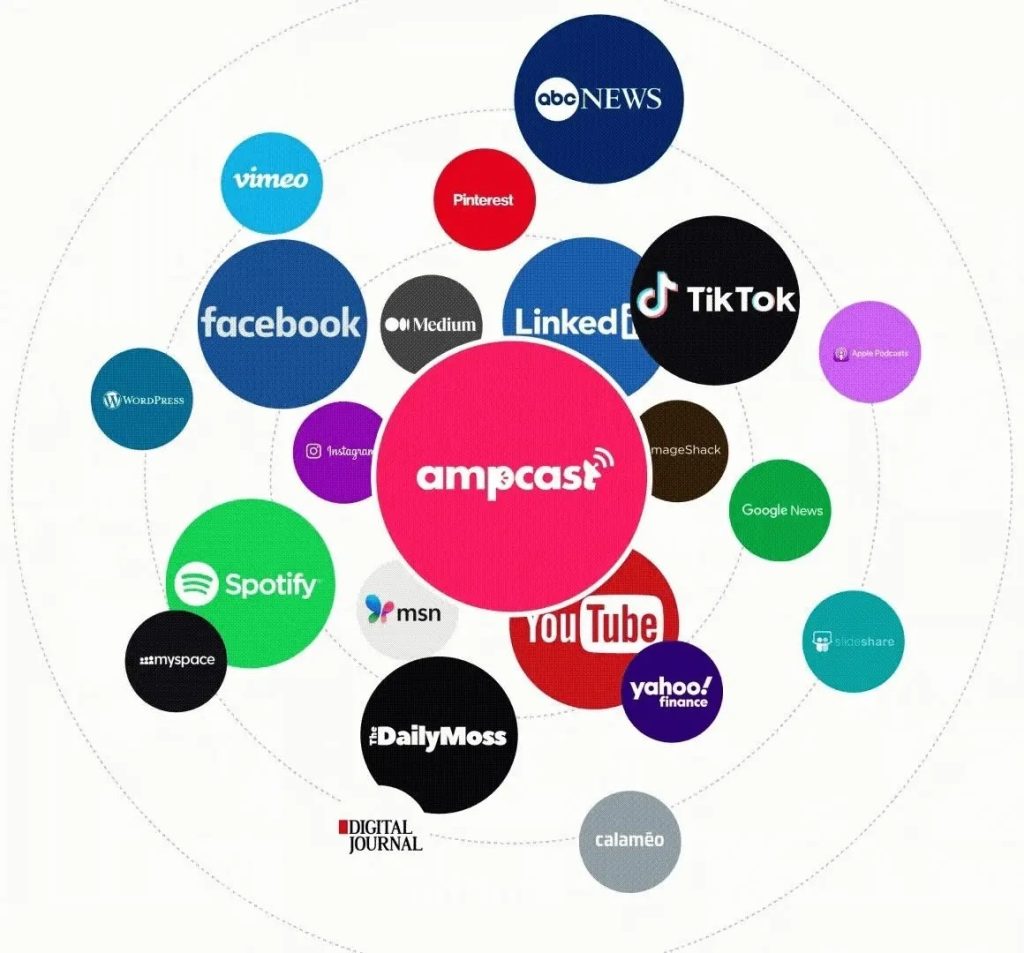
- Distribute & Amplify: Auto-publish to 300+ sites, including Google News, YouTube, Spotify, and major news networks.
Get more traffic from people who want to buy your stuff, and powerful “As Seen On” trust badges for your site.
Do It Yourself (with AI), Done For You Content, & 100% Managed Organic Growth options available.
Grow Your Free Traffic From Everywhere
How Organic Traffic Works

Organic Traffic: Free Visitors from Search Engines
Organic traffic refers to visitors who find your website through unpaid search results on platforms like Google, Bing, or Yahoo. These users typically discover your content when searching for information, products, or services related to your business.
The term “organic” refers to traffic that develops naturally over time through content relevance and optimization, rather than through paid promotions.
When users type a query into a search engine and click on a non-sponsored result, that visit counts as organic traffic. This traffic source is driven by search engine algorithms that rank websites based on how well they answer users’ questions or meet their needs.
The key characteristic of organic traffic is that you don’t directly pay for these visits.
Time Investment: The Slow-Growing Nature of Organic Traffic
The most significant challenge of organic traffic is its timeline. Unlike paid campaigns, which can drive visitors within minutes of launch, organic traffic typically takes 3–6 months to show meaningful results and 6–12 months to reach significant volume.
This delayed gratification stems from search engines’ cautious approach to ranking new content and the time needed to build site authority. This timeline requires patience and consistent investment without immediate returns, making it challenging for businesses with short-term growth objectives or limited runways.
However, once established, organic traffic continues flowing with minimal maintenance compared to paid channels. A well-ranked article can continue to attract visitors for years with occasional updates, generating compounding returns on the initial investment. This longevity makes organic traffic exceptionally valuable despite its slower start.
Examples of Organic Traffic Sources
Organic traffic encompasses several distinct sources beyond just search engines. Understanding these various channels helps marketers develop comprehensive strategies that capture potential customers at different touchpoints throughout their online journey.
- Google Search Results (Non-Paid): Google Search is the primary organic traffic source for most websites. When users enter queries into Google and click on non-advertising results, they generate organic traffic. These results appear below any paid listings and occupy the majority of search result pages for most queries.
- Direct Website Visits: Direct traffic occurs when users type your URL directly into their browser, click on a bookmark, or click links in email or messaging applications without tracking parameters. While this traffic doesn’t come from search engines, it’s categorized as organic because it doesn’t result from paid placements. Direct traffic often indicates strong brand awareness and loyalty, as these visitors specifically sought out your website without being prompted by ads or search results.
- Social Media Shares (Unpaid): When users share your content on social media platforms and their followers click through to your website, this generates organic social traffic. Unlike paid social campaigns, these visits result from users voluntarily amplifying your content rather than from sponsored posts. While typically lower in volume than search traffic, organic social visitors often bring higher engagement because they came through a trusted recommendation.
How Inorganic Traffic Works

Inorganic Traffic: Paid Visitors from Advertising
Inorganic traffic (also called paid traffic) encompasses all visitors who land on your website through paid promotional channels. This includes pay-per-click (PPC) advertising, display ads, sponsored social media posts, and any other form of paid digital marketing.
Unlike organic visitors who find you through search results, inorganic traffic is generated when users click on advertisements you’ve paid to place. The defining feature of inorganic traffic is the direct financial transaction involved; you’re essentially purchasing visits to your website.
These campaigns typically operate on either a pay-per-click (PPC) or impression-based model, where you’re charged each time someone clicks your ad or when your ad is shown a certain number of times. This creates a clear, trackable cost for each visitor acquired through these channels.
Pay-to-Play: The Immediacy of Inorganic Traffic
Inorganic traffic delivers what organic cannot: immediate visibility. Within minutes to hours of launching a campaign, your content appears to targeted audiences ready to engage. This speed proves invaluable for product launches, seasonal promotions, or testing new market segments.
While organic strategies require months of patience, paid campaigns let you validate messaging, identify high-converting audiences, and generate revenue from day one, making them essential for businesses that need rapid market feedback.
However, this immediacy comes with a catch: the moment you stop paying, the traffic disappears. Unlike organic content that builds lasting value, paid campaigns create no residual assets. Every visitor requires ongoing investment, which can strain budgets over time and leave businesses vulnerable to rising ad costs and increasing competition for the same audience segments.
Examples of Inorganic Traffic Sources
The inorganic traffic ecosystem spans numerous platforms and formats, each with distinct advantages for different marketing objectives. These paid channels allow businesses to reach audiences based on demographics, interests, behaviors, and even specific search intent.
- Google Ads (PPC Campaigns): Google Ads is a prominent inorganic traffic source for most businesses, allowing advertisers to display text, shopping, or display ads to users based on their search queries. These ads appear at the top and bottom of search results with a small “Ad” label, capturing valuable attention before organic listings. With Google processing over 8.5 billion searches daily, this platform offers unparalleled reach to users actively searching for specific information, products, or services.
- Social Media Advertising: Platforms such as Facebook, Instagram, LinkedIn, Twitter, and TikTok offer robust advertising solutions that enable marketers to target audiences based on detailed demographic information, behavioral patterns, and interest categories. Unlike search ads, which capture existing demand, social ads build awareness by interrupting users’ scrolling with compelling visuals and messaging tailored to their profiles.
- Display Network Banners: Display advertising delivers visual banner ads across millions of websites in advertising networks such as the Google Display Network (GDN), reaching over 90% of global internet users. These image-based advertisements appear alongside content on news sites, blogs, and other digital properties, helping to build brand awareness and create retargeting opportunities.
Organic vs Inorganic Traffic: A Side-by-Side Comparison
| Factor | Organic Traffic | Inorganic Traffic |
| Cost Structure | No per-click cost; investment in consistently creating and optimizing content | Direct payment per click (CPC) or per impression (CPM) |
| Time to Results | 3–6 months for meaningful growth; 6–12 months for significant volume | Immediate; traffic begins within hours of campaign launch |
| Longevity | Continues generating traffic for months or years with minimal maintenance | Stops immediately when ad spend ends |
| User Trust | Higher; users perceive organic results as more credible | Lower; users recognize paid placements as advertisements |
| Targeting Control | Depends on topic selection and content relevance | Target by demographics, interests, behaviors, and location |
| Scalability | Slow to scale; requires ongoing creating content | Instantly scalable with increased budget |
| Budget Predictability | Variable upfront investment; diminishing costs over time | Highly predictable; set daily/monthly spending limits |
| Best For | Long-term brand building and sustainable growth | Product launches, promotions, testing, and immediate lead generation |
| Risk Level | Lower long-term risk; algorithm changes can impact rankings | Higher ongoing risk; ROI depends on continuous optimization |
Build Long-Term Organic Traffic With Multichannel Content Distribution
AmpiFire helps businesses generate real, organic traffic with minimal effort. Using our AmpCast platform, any topic can be transformed into 8 content formats: news articles, blog posts, interview podcasts, longer informational videos, reels/shorts, infographics, flipbooks/slideshows, and social posts. This content then gets published across 300+ sites, including Google News, YouTube, Spotify, Pinterest, and Fox affiliate sites.
When potential customers see your brand across multiple platforms, it builds credibility and trust that paid ads simply cannot match. Big Hammer Wines, a California winery, saw exactly this. With just 38 AmpiFire campaigns over 21 months, they grew organic traffic by 1100% and generated $70,000 in sales. That’s the compounding effect in action: each piece of content continues to attract visitors long after publication.
This approach proves far more cost-effective than hiring in-house content teams or traditional marketing agencies. You get professional content across multiple formats distributed to hundreds of high-authority sites for a fraction of what it would cost to do it yourself. The result is sustainable traffic growth that increases your business value while reducing dependence on expensive paid advertising.
Frequently Asked Questions (FAQs)
Is organic traffic really free for my business?
Organic traffic does not require paying per click, but it needs investment in creating and optimizing content. The difference is that these costs build assets that continue to generate traffic over time. Unlike paid ads, where spending stops, organic content continues to work for months or years.
How long before I see organic traffic results?
Most businesses see meaningful organic traffic growth within 3–6 months of consistent content publishing. Significant results typically appear around 6–12 months. New websites may take longer to build authority, but traffic becomes more sustainable and cost-effective over time.
What makes organic traffic convert better than paid?
Organic visitors actively searched for information related to your business. They found you through relevance, not interruption. This intent-based discovery creates greater trust and engagement than simply clicking on an advertisement while browsing.
Can small businesses compete for organic traffic?
Absolutely. Small businesses succeed by targeting specific niches that larger competitors overlook. Creating detailed, helpful content for a focused audience throughout their buyer journey often outperforms generic corporate pages. Local businesses especially benefit from organic strategies targeting their geographic area.
How does AmpiFire’s AmpCast help generate organic traffic?
AmpiFire’s AmpCast Technology takes any topic and creates 8 content formats: news articles, blog posts, interview podcasts, longer informational videos, reels/shorts, infographics, flipbooks/slideshows, and social posts. These get published to 300+ sites, including YouTube, Spotify, and Google News. This multichannel distribution automatically builds organic traffic from search, social, and video platforms.
*Disclaimer: Results may vary based on individual circumstances, business type, and content strategy. The time savings and outcomes mentioned are based on typical user experiences and are not guaranteed. For specific pricing and service details, please visit AmpiFire.
Author
Related Posts


Organic Traffic vs Direct Traffic: What’s the Difference?
Understand organic vs direct traffic differences and how each impacts your website growth. Learn strategies to build both traffic types.
How to Increase Organic Traffic to Your E-commerce Website
Learn how to increase organic traffic to your e-commerce website with proven strategies, content tips, and optimization techniques. Boost your…

Ecommerce Organic Traffic Revenue Calulator
How to Use the E-commerce Traffic-to-Sales Calculator This calculator helps you estimate the potential increase in monthly sales revenue based…

Ideal Customer Profile vs Buyer Persona: What’s the Key Difference
Learn the key differences between Ideal Customer Profiles and buyer personas. Find out how to use both frameworks to target…

Content Marketing vs Traditional Marketing: What’s the Difference?
Learn about the key differences between content marketing and traditional marketing, including their pros and cons, and how each can…

How to Promote Your Blog on Twitter or X: Best Practices & Examples
Learn how to promote your blog on X (formerly Twitter) with proven strategies. Increase blog traffic using threads, visuals, and…