
Key Takeaways
- Instagram cost per lead in 2026 splits into two categories: paid ads average $5 to $30 per lead with immediate results, while organic content averages $95 per lead but keeps generating leads indefinitely after publication.
- Most businesses undercount organic CPL because production costs (copywriting, design, video, strategy) are spread across months before leads appear, making it look more expensive than it actually is long-term.
- AmpiFire reduces organic production costs by turning one topic into 8 content formats and distributing them across 300+ platforms, cutting the time and expense of manual content creation while expanding reach beyond Instagram alone.
- Organic content that ran three months ago still drives leads today at no additional cost, while paid ads stop the moment the budget runs out. Over 12 months, organic CPL drops below paid CPL for most businesses.
- AmpiFire’s AmpCast AI handles the full production and distribution cycle, from news articles and podcasts to Reels and infographics, so each campaign compounds leads without requiring new ad spend. Get started with AmpiFire.
Understanding What Cost Per Lead Really Means on Instagram
AmpiFire, combined with Instagram’s native tools, gives businesses two paths to leads: paid ads that cost $5 to $30 per lead with instant delivery, and organic content that averages $95 per lead but keeps working months after publication. The difference comes down to longevity, since paid leads stop when the budget stops, while a single AmpiFire campaign distributes content across 300+ platforms and continues generating traffic without additional spend. For businesses publishing regularly, organic CPL drops below paid within 6 to 12 months.
In this blog post, we break down the details so you can make an informed decision about how to reach your audience.

How AmpiFire Works:
- Research & Target: Find high-demand topics your buyers search for.
- Create & Repurpose: AmpiFire’s AmpCast AI generates news articles, blog posts, interview podcasts, longer informational videos, reels/shorts, infographics, flipbooks/slideshows, and social posts.
- Distribute & Amplify: Auto-publish to 300+ sites, including Google News, YouTube, Spotify, and major news networks.
Get more traffic from people who want to buy your stuff, and powerful “As Seen On” trust badges for your site.
Do It Yourself (with AI), Done For You Content, & 100% Managed Organic Growth options available.
Grow Your Free Traffic From Everywhere
Average Instagram Ad CPL in 2026
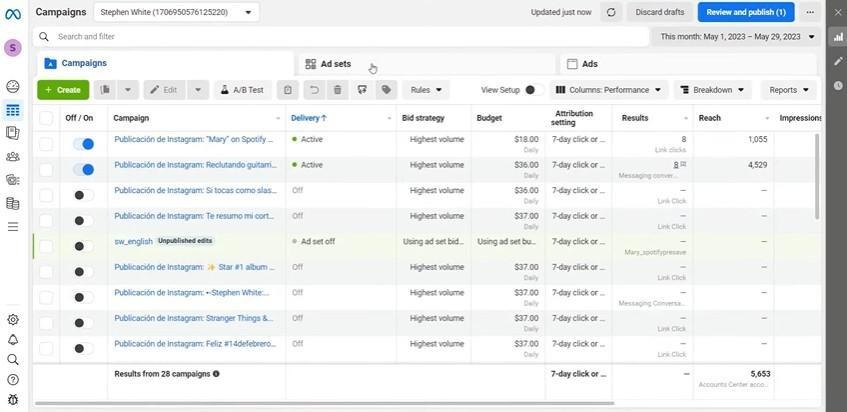
Instagram ads run on a real-time auction, so CPL isn’t fixed. It depends on audience size, competition, ad quality, and placement. Benchmarks give a reliable starting point.
CPC, CPM, and CPL Benchmarks for Instagram Ads
CPC ranges from $0.40 to $2.00 or higher depending on industry and targeting. Average CPL falls between $5 and $30 for most sectors. Competitive industries like insurance, finance, or legal services often see CPLs above $50.
Instagram Ad CPL by Industry
Industry strongly affects CPL. E-Commerce tends to have a lower average cost per lead by industry, but it can be significantly higher in competitive industries like finance, real estate, or technology.
What Does Organic Content CPL Look Like on Instagram in 2026?
Organic CPL on Instagram isn’t visible in dashboards; it must be calculated manually, which is why it’s often overlooked. Ignoring it means missing half the lead generation picture.
What It Actually Costs to Generate Leads Organically
The cost of organic leads comes from content production: copywriting, design, video editing, scheduling tools, and strategy time. When these are accounted for, organic content typically runs $95 per lead. The difference is that organic content continues generating leads long after production, unlike paid campaigns.
How Long Does Organic Content Take to Deliver Leads
Organic content doesn’t produce leads instantly. It requires consistent posting, quality content, and a strategy built around what your audience actually cares about. Each piece compounds over time, with posts from early months still driving traffic months later.

Which Costs Less in 2026: Instagram Ads or Organic Content?
| Aspect | Paid Instagram Ads | Organic Instagram Content |
| CPL Range | $5–$30 on average; higher in competitive industries | Typically, around $95 per lead when production costs are included |
| Cost Drivers | Audience size, competition, ad quality, placement | Content creation: copywriting, design, video, scheduling, strategy |
| Lead Timeline | Immediately, once the ads run | Takes months; consistent posting and quality content required |
| Longevity | Stops generating leads when ads stop | Continues driving leads long after content is published |
| Industry Influence | High: finance, tech, real estate see much higher CPL | Moderate: cost depends on content effort, less affected by competition |
Lower Your Instagram CPL by Building Content That Lasts
Paid Instagram ads deliver leads fast at $5 to $30 each, but they stop the moment you pause spending. Organic content costs more upfront, averaging $95 per lead, yet compounds over time and eventually undercuts paid CPL for businesses that publish consistently.
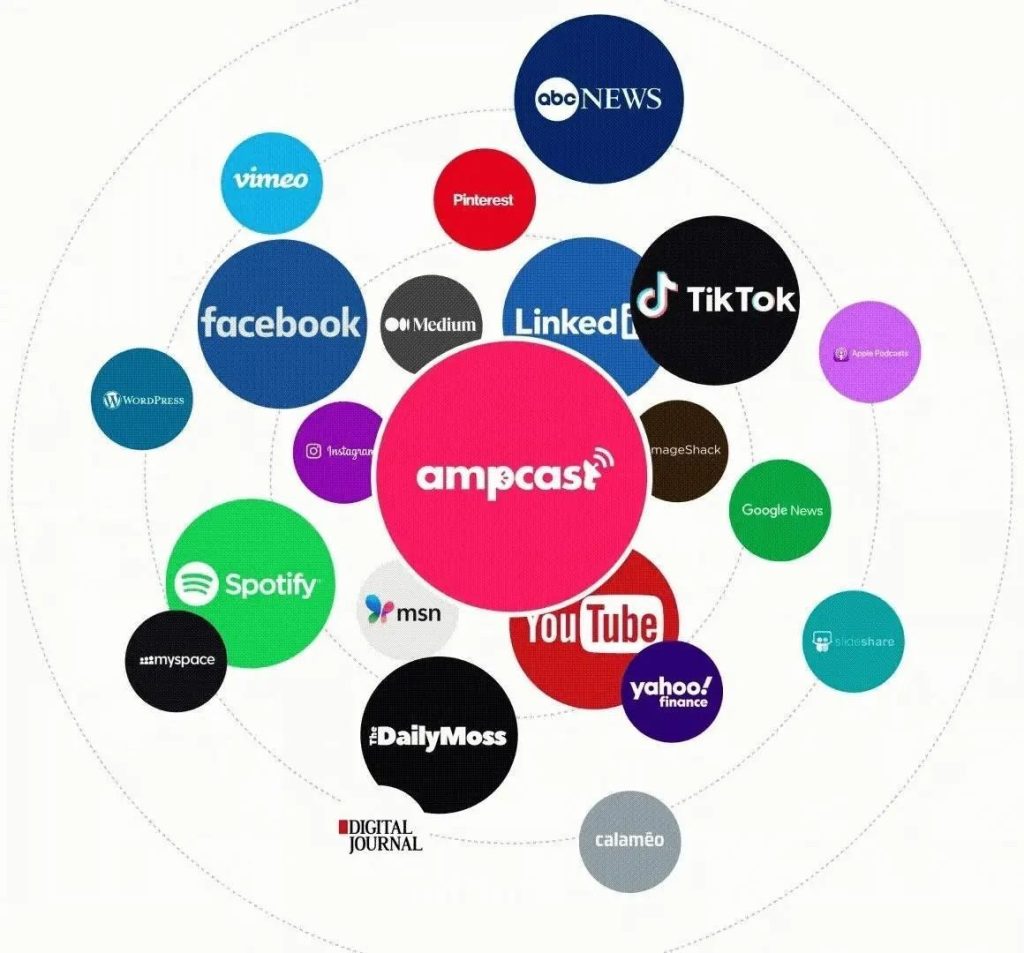
AmpiFire turns one topic into news articles, blog posts, podcasts, videos, Reels, infographics, slideshows, and social posts, then publishes them across 300+ platforms automatically. Each campaign keeps driving leads without new ad spend, which means your cost per lead drops with every month of content in circulation.
Frequently Asked Questions (FAQs)
What is a good cost per lead on Instagram in 2026?
A good cost per lead on Instagram depends on your industry and the type of lead you want. Some businesses see strong results with lower costs, while others in competitive industries naturally spend more. The most important benchmark is whether the CPL makes sense for what a new customer is actually worth to your business.
Are Instagram ads or organic content cheaper for lead generation?
Paid ads deliver leads quickly, while organic content takes longer but continues generating results over time. By consistently posting and sharing quality content, businesses often see organic leads grow without extra spending. The best approach combines both: paid ads for immediate results and organic content for long-term, sustainable growth.
Which industries have the highest Instagram CPL?
Industries like finance, legal services, B2B, and real estate tend to have higher lead costs because audiences need more convincing, and competition is strong. In contrast, fashion, beauty, food, and lifestyle brands usually see lower costs due to visually appealing content and audiences ready to engage.
Do Reels ads have a lower CPL than other Instagram ad formats?
Yes. Reels ads typically deliver the lowest cost per lead thanks to high engagement and wider reach. For brands trying to attract new audiences, Reels is often the most effective format for lead generation.
How can I track cost per lead on Instagram?
Paid campaigns show CPL automatically in Ads Manager, while organic content requires tracking clicks, DMs, and production costs. Using both together gives a full picture, and tools like AmpiFire make content creation and distribution easier, helping your Instagram strategy drive leads more efficiently.
*Disclaimer: Results may vary based on individual circumstances, business type, and content strategy. The time savings and outcomes mentioned are based on typical user experiences and are not guaranteed. For specific pricing and service details, please visit AmpiFire.
Author
Related Posts

Average Social Media Cost Per Lead 2026 Compared | Ads vs. Content
Key Takeaways: In 2026, paid social media advertising averages $65 per lead while organic content marketing costs $95 per lead,…

Facebook Average Cost per Lead in 2026: Ads vs Content
Facebook's average CPL in 2026 runs $28-$50+. See how AmpiFire's organic content approach lowers your effective cost per lead over…
Average Real Estate Cost Per Lead Prices & Rates 2026 | Ads vs. Content
Key Takeaways The average cost per lead (CPL) in real estate typically ranges from $416–$480, but varies significantly by platform,…

SEMrush Subscription Cost: Pricing & Plans in 2026
SEMrush pricing explained. Compare Pro, Guru, and Business plans, review features, limits, and costs to select the best plan for…

BigCommerce Instagram Integration Guide | Boost Your Instagram Shopping Revenue
Read how eCommerce brands can tap into Instagram's massive audience, leverage seamless shopping through BigCommerce Instashop integration, and utilize Instagram…
LinkedIn Marketing vs Facebook Advertising for B2B Lead Generation: Benefits & Costs
LinkedIn vs Facebook for B2B leads: costs, targeting, and how AmpiFire adds organic reach across 300+ platforms to complement paid…