

Key Takeaways
- ActiveCampaign provides advanced automation and CRM for businesses, while ConvertKit offers simple, tag-based workflows tailored specifically for individual creators and small teams.
- ConvertKit offers a free plan for up to 10,000 subscribers, while ActiveCampaign lacks a free tier and starts paid plans at $15 monthly.
- Both platforms calculate pricing based on total subscriber count rather than email volume, making list size a key budgeting factor as audiences grow.
- ActiveCampaign leads in technical features like lead scoring and site tracking, whereas ConvertKit focuses on user-friendly tools for bloggers and podcasters.
- For growth beyond email, AmpiFire AmpCast AI amplifies organic reach by transforming content into eight formats and automatically distributing it across 300+ high-authority digital platforms.
Kit vs. ActiveCampaign: Best Email Automation for 2026
ActiveCampaign and Kit (formerly ConvertKit) offer distinct paths for email marketing: ActiveCampaign provides advanced CRM and multi-channel automation, while Kit focuses on streamlined tools for the creator economy. Both platforms utilize subscriber-based pricing rather than charging per email, meaning costs scale directly with your audience size. While ActiveCampaign lacks a free tier, Kit offers a robust free plan for up to 10,000 subscribers, making it a lower-risk entry point for new users.
ActiveCampaign leads in technical depth with features like lead scoring, site tracking, and behavioral triggers designed for B2B and e-commerce growth. In contrast, Kit prioritizes simplicity with intuitive tag-based workflows and built-in tools for selling digital products or newsletters. For users seeking to expand beyond email, AmpiFire’s AmpCast AI further amplifies reach by MultiCasting content across 300+ high-authority digital platforms.

How AmpiFire Works:
- Research & Target: Find high-demand topics your buyers search for.
- Create & Repurpose: AmpiFire’s AmpCast AI generates news articles, blog posts, interview podcasts, longer informational videos, reels/shorts, infographics, flipbooks/slideshows, and social posts.
- Distribute & Amplify: Auto-publish to 300+ sites, including Google News, YouTube, Spotify, and major news networks.
Get more traffic from people who want to buy your stuff, and powerful “As Seen On” trust badges for your site.
Do It Yourself (with AI), Done For You Content, & 100% Managed Organic Growth options available.
Grow Your Free Traffic From Everywhere
Email Automation: Where the Two Platforms Diverge Most
Automation is the core reason businesses move from basic email tools to dedicated platforms, and it’s where ActiveCampaign and ConvertKit diverge most. The difference lies in the philosophy behind automation rather than solely the number of features.
ConvertKit’s Tag-Based Triggers and If/Then Rules
Kit (ConvertKit) treats automation as a creator tool. Its visual automation builder is intuitive and tag-based, triggering actions when subscribers fill out forms, click links, or make purchases. The if/then branching handles basic conditions, letting creators manage welcome sequences, product launches, or nurture campaigns without needing a technical background. This simplicity keeps workflows clean and efficient, ideal for solo creators or small teams.
ActiveCampaign’s Advanced Conditional Logic and CRM Integration
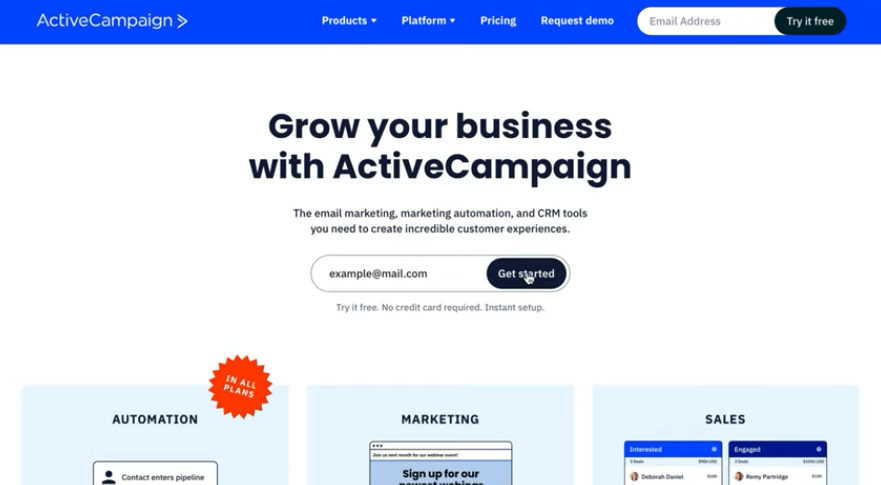
ActiveCampaign is designed as a full marketing operations system. Automations connect email behaviour to CRM data, sales pipelines, and external app events in real time. It supports date-based triggers, purchase events, site tracking, and CRM field changes, with advanced conditional logic using nested AND/OR rules. Split testing is built directly into sequences, and lead scoring and site tracking enable integrated campaigns that respond to multiple subscriber actions simultaneously.
Date-Based Triggers and Split Testing in ActiveCampaign
For businesses running multi-segment campaigns that must react to purchase history, website behaviour, or lead scores, ActiveCampaign provides significant depth. Date-based triggers allow campaigns to launch based on anniversaries, subscription renewals, or other calendar events, while integrated split testing continuously improves performance.
Kit focuses on simplicity and efficiency for creators, while ActiveCampaign delivers advanced automation, CRM integration, and data-driven workflows for complex business needs.
ConvertKit vs ActiveCampaign Pricing Breakdown
Pricing is often a deciding factor when choosing between ConvertKit and ActiveCampaign. Both platforms charge based on subscriber count, not the number of emails sent, so your costs grow as your audience grows.
ConvertKit Free Plan: Up to 10,000 Subscribers
ConvertKit provides a free plan for up to 10,000 subscribers, giving early-stage creators access to landing pages, forms, and broadcast emails at no cost. This plan is ideal for getting started, though it limits advanced features like automations, paid newsletters, and Creator Network access.
ConvertKit Paid Plans as Your List Grows
Paid plans start at around $29 per month for up to 1,000 subscribers. The Creator Pro plan, which includes advanced reporting and priority support, begins at $59 per month for the same subscriber count. As your list grows to ~10,000 subscribers, costs increase to roughly $167 per month, depending on the plan and billing cycle.
ActiveCampaign Pricing Tiers and Features
ActiveCampaign does not have a free plan, only a 14-day trial. Its Starter plan begins at about $15 per month for 1,000 contacts. The Plus and Professional tiers add CRM, advanced automation, lead scoring, and split testing, and the plan starts at around $49 and $79 per month, respectively. Enterprise plans start around $145 per month for 1,000 contacts and include dedicated support and custom reporting.
Which Platform Offers Better Value?
For small lists under a few thousand subscribers, ConvertKit’s free tier and lower entry pricing make it attractive for creators focused on audience growth. For larger lists or businesses needing CRM integration, advanced automation, and detailed tracking, ActiveCampaign’s tiered plans provide more value despite higher starting costs.
ConvertKit or ActiveCampaign: Which One Should You Use?
Choosing between ConvertKit (Kit) and ActiveCampaign comes down to your goals and workflow. If you are a blogger, podcaster, newsletter creator, or digital product seller focused on building and monetizing an audience, Kit is the simpler, faster, and purpose-built option. Its visual automation builder, tag-based workflows, paid newsletter tools, and Creator Network are designed specifically for creators, not adapted from B2B marketing platforms.
For businesses managing multi-segment campaigns, tracking leads through a sales pipeline, or needing automation that responds automatically to purchase history and website behaviour, ActiveCampaign is the stronger choice. The platform has a steeper learning curve, but its depth and integration with CRM, lead scoring, and advanced automations reward teams that outgrow simpler tools.
Both platforms score well on deliverability, 4 out of 5 in EmailToolTester’s 2025 ratings, so inbox placement isn’t a deciding factor. The choice ultimately depends on your priority: creator-focused simplicity or advanced automation and business workflow integration.
Key Comparison: ConvertKit vs ActiveCampaign
| Feature / Category | Kit (ConvertKit) | ActiveCampaign |
| Focus / Philosophy | Built for creators — bloggers, podcasters, digital product sellers; simple, intuitive workflows | Built for marketers and businesses — advanced automation, CRM, multi-segment campaigns |
| Automation | Tag-based triggers, simple if/then rules, and a visual automation builder | Advanced conditional logic, nested AND/OR rules, date-based triggers, purchase & site tracking, split testing |
| CRM Integration | None | Fully integrated with automation, lead scoring, and sales pipelines |
| Ease of Use | Clean dashboard, minimal clutter, inline editing, text-first emails; low learning curve | Feature-rich interface, drag-and-drop editor, more powerful but steeper learning curve |
| Support | Email & live chat | Email & live chat |
| Pricing | Free plan: up to 10,000 subscribers; Paid plans: $29–$59/month (1k subs), ~$167/month (10k subs) | No free plan; Starter $15/month, Plus $49/month, Professional $79/month, Enterprise $145+/month (1k subs) |
| Best For | Solo creators, small teams, and those focused on monetizing an audience quickly | Businesses needing complex campaigns, multi-segment automation, and CRM-connected workflows |
Why Choose AmpiFire to Scale Your Content & Organic Traffic
Selecting the right email platform is a vital step for any creator or business aiming to nurture their subscriber list. While automation manages your current leads, AmpiFire AmpCast AI drives new growth by converting a single idea into eight diverse content formats: news articles, social posts, reels/shorts, infographics, interview podcasts, flipbooks/slideshows, blog posts, and longer informational videos, then distributes that content across 300+ high‑authority sites, including Google News, YouTube, Spotify, TikTok, Instagram, and more. This approach places your message across hundreds of high-authority sites to capture interest from multiple sources simultaneously.
Instead of publishing a single blog and hoping it gets traction, AmpiFire’s process ensures your message appears wherever your audience is searching or engaging, building sustainable organic traffic across search engines, social media, video, and audio platforms. The platform identifies high‑demand topics your customers are researching before buying, creates professional multi‑format campaigns in minutes, and then amplifies them to a massive network of platforms automatically.
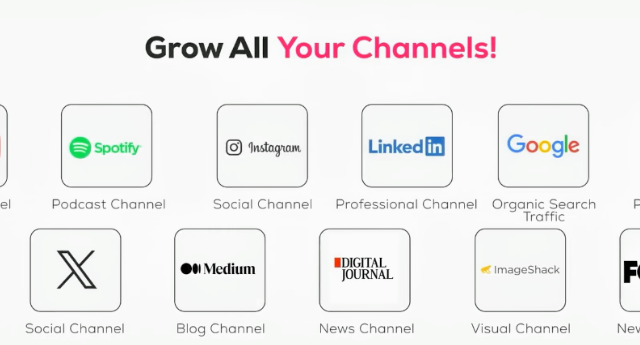
For businesses tired of relying on paid ads where traffic stops the moment you stop spending, AmpiFire delivers long‑lasting visibility and traffic growth by ensuring your brand is consistently seen in the places people look first. If you’re an e‑commerce brand, business, or agency, this multi‑channel approach builds authority and boosts organic reach far beyond what single‑channel tools alone can deliver.
Frequently Asked Questions (FAQs)
Does ActiveCampaign Have a Free Plan?
No. ActiveCampaign only provides a limited 14-day free trial, giving you a short period to try the platform’s features before committing. In contrast, ConvertKit’s free plan supports up to 10,000 subscribers, including landing pages, forms, and basic email sequences. This allows new users to build their audience and test key functionality without paying anything upfront, making it ideal for early-stage creators or small businesses.
Can You Migrate From ConvertKit to ActiveCampaign Easily?
Migration is possible but requires careful planning. You can export subscriber lists, tags, and custom fields from ConvertKit and import them into ActiveCampaign, but automation workflows must be rebuilt due to differences in how the platforms handle triggers and conditional logic. ActiveCampaign provides migration assistance on higher-tier plans, and thorough testing is recommended, especially if multiple active campaigns are running simultaneously.
Which Platform Has Better Email Deliverability?
Both platforms perform well. EmailToolTester’s 2025 ratings give both ConvertKit and ActiveCampaign a score of 4/5, reflecting strong infrastructure and trusted sending reputations. Deliverability depends more on list hygiene, engagement, and email quality than the platform itself. For most users, either tool will reliably reach subscribers’ inboxes when campaigns follow best practices.
Does ConvertKit Include a Built-In CRM?
No. ConvertKit uses a tag-based subscriber system, which works well for segmentation and automation triggers, but it does not include CRM features like lead scoring, deal pipelines, or activity tracking. Businesses that need integrated sales and marketing workflows will find ActiveCampaign’s built-in CRM (available from the Plus plan) far more effective for managing leads, tracking deals, and automating cross-functional campaigns.
How Can I Grow My Audience Faster Beyond Email Marketing?
While ConvertKit and ActiveCampaign handle email campaigns well, AmpiFire’s AmpCast AI takes one topic and turns it into eight distinct content formats: news articles, social posts, reels/shorts, infographics, interview podcasts, flipbooks/slideshows, blog posts, and longer informational videos. It then distributes them to 300+ high-authority platforms like Google News, YouTube, Spotify, and more. This multi-channel approach drives organic traffic across search, social, video, and audio, helping your content reach more people without relying solely on email campaigns or paid ads.
*Disclaimer: Results may vary based on individual circumstances, business type, and content strategy. The time savings and outcomes mentioned are based on typical user experiences and are not guaranteed. For specific pricing and service details, please visit AmpiFire.
Author
Related Posts


Moosend Features, Reviews & Pricing: Is This Email Marketing & Automation Platform Worth It?
Get honest Moosend reviews. Learn features, pricing, and whether this email marketing and automation platform is worth it for your…


Email Marketing vs Content Marketing for Lead Generation: Differences & Similarities
Learn the differences between email marketing and content marketing for lead gen, and how AmpCast AI multicasts content to maximize…

SendX Pricing, Features & Reviews: Is This AI-Powered Email Marketing Software Worth the Cost?
See real SendX reviews covering pricing, AI-powered features, and deliverability tools. Learn if this email marketing software is worth it.

Stripo Reviews, Pricing & Features: Is This The Best Email Template Builder?
Explore Stripo’s email template builder, its free and paid pricing plans, and whether it’s the right fit for your email…


Hunter.io Reviews, Pricing & Features: Is this Email Finder and Verifier Legit?
Get honest Hunter.io reviews. Learn pricing, features, and if this email finder and verifier is legitimate for your lead generation…

ZeroBounce Reviews & Pricing: Is This Email Validation Tool Legit?
Looking for an email validation solution that actually delivers on its promises? Email bounces can devastate your sender reputation and…