Key Takeaways
- Organic reach on major platforms has dropped to under 5% of followers on most channels, meaning the same post that reached thousands a few years ago now reaches a fraction of that.
- Most brands compensate by posting more often, but volume alone does not fix a reach problem. What matters is knowing which content earns traction and how to extend it.
- AmpiFire, paid social ads, and boosted posts all offer ways to extend reach beyond organic limits. AmpiFire distributes content to 300+ platforms from a single upload, paid ads target specific audiences directly, and boosting amplifies posts that already show strong engagement.
- Content tested organically first and then amplified through paid or multi-channel distribution consistently outperforms content pushed out cold, because the messaging has already been validated by real audience response.
- AmpiFire’s AmpCast AI turns one topic into eight content formats, including news articles, videos, podcasts, infographics, and social posts, and distributes them to 300+ high-authority platforms to grow long-term organic traffic.
What Shrinking Organic Reach Means for Your Social Strategy
If you want consistent reach, organic and paid social work better as a team than as alternatives. Organic content builds trust and tests what resonates with your existing audience, while paid social scales what already works to people who have never heard of you. AmpiFire adds a third layer: distributing your content across 300+ platforms including Google News, YouTube, and Spotify, so your organic efforts reach further without requiring a paid budget for every piece.

How AmpiFire Works:
- Research & Target: Find high-demand topics your buyers search for.
- Create & Repurpose: AmpiFire’s AmpCast AI generates news articles, blog posts, interview podcasts, longer informational videos, reels/shorts, infographics, flipbooks/slideshows, and social posts.
- Distribute & Amplify: Auto-publish to 300+ sites, including Google News, YouTube, Spotify, and major news networks.
Get more traffic from people who want to buy your stuff, and powerful “As Seen On” trust badges for your site.
Do It Yourself (with AI), Done For You Content, & 100% Managed Organic Growth options available.
Grow Your Free Traffic From Everywhere
What Is Organic Social Media Marketing?
Organic social media includes any content you share without paying to promote it, posts, stories, reels, threads, or replies that reach people through algorithms, shares, hashtags, or your existing followers. It relies on strategy and consistency rather than ad spend.
Examples of Organic Content
Behind-the-scenes videos, industry insights, service updates, replies to comments, or viral posts are all organic. Success depends on audience engagement and algorithmic distribution; good content earns reach; poor content fades quietly.
Platforms That Favor Organic Reach
Some platforms still reward organic content more than others. Short-form video and discovery-driven platforms surface new content widely, professional networks amplify thoughtful posts, and searchable platforms maintain long-term visibility. Others have largely shifted toward paid promotion.
What Is Paid Social Media Marketing?
Paid social media marketing is content you promote by paying the platform to reach a specific audience. Unlike organic posts, paid social lets you control who sees your content, when, how often, and on which devices, giving guaranteed placement in front of the people most likely to take action.
Examples of Paid Social Ads
Ads can appear in many formats: sponsored feed posts, story ads, in-feed videos, inbox messages, or promoted pins. Each format targets different stages of the buyer journey, from awareness to conversion.
How Targeting Works
Paid social allows precise audience targeting, by demographics, interests, behaviors, job titles, or even life events. Platforms also let you create custom audiences from your contacts or lookalike audiences to reach similar users.
Choosing the Right Platform
Different platforms excel for different goals. Some reach wide consumer audiences, others focus on professionals, younger demographics, lifestyle shoppers, or real-time conversations. Matching your platform to your audience ensures your budget drives results.
How Do Organic and Paid Social Media Actually Differ?
Organic and paid social both aim to get your content in front of the right people, but they achieve it in very different ways. Understanding these differences helps you plan where to invest time, budget, and creative effort.
Cost and Budget
Organic social is “free” but comes with hidden costs: time, creative resources, and strategic planning. Paid social requires direct ad spend, with costs varying by platform and objective. The key is ensuring your investment aligns with the results you want.
Reach and Audience
Organic reach depends on your existing followers and how algorithms boost content. Paid social removes these limits, letting campaigns scale quickly to reach new audiences, perfect for product launches, seasonal promotions, or rapid growth goals.
Targeting Precision
Organic content gives little control over who sees it. Paid social allows highly specific targeting, by demographics, interests, behaviors, job titles, or even professional networks. This precision ensures your content reaches the people most likely to engage or convert.
Speed of Results
Organic social is a long-term strategy, building trust and engagement over months. Paid campaigns deliver measurable clicks, leads, and conversions within hours, making them ideal for time-sensitive marketing efforts.
Measurement
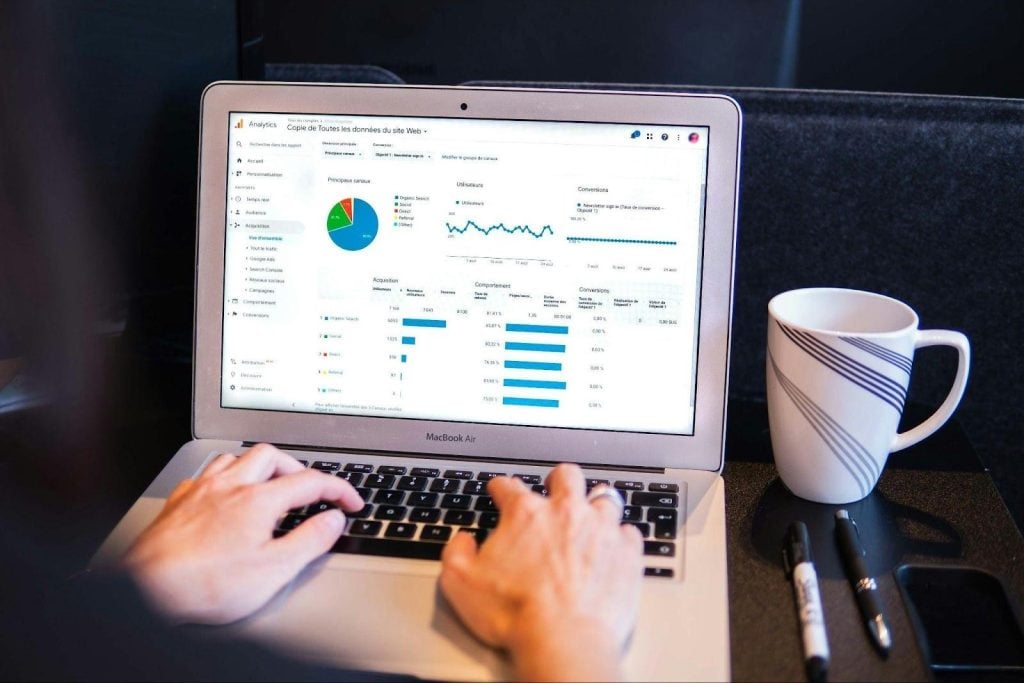
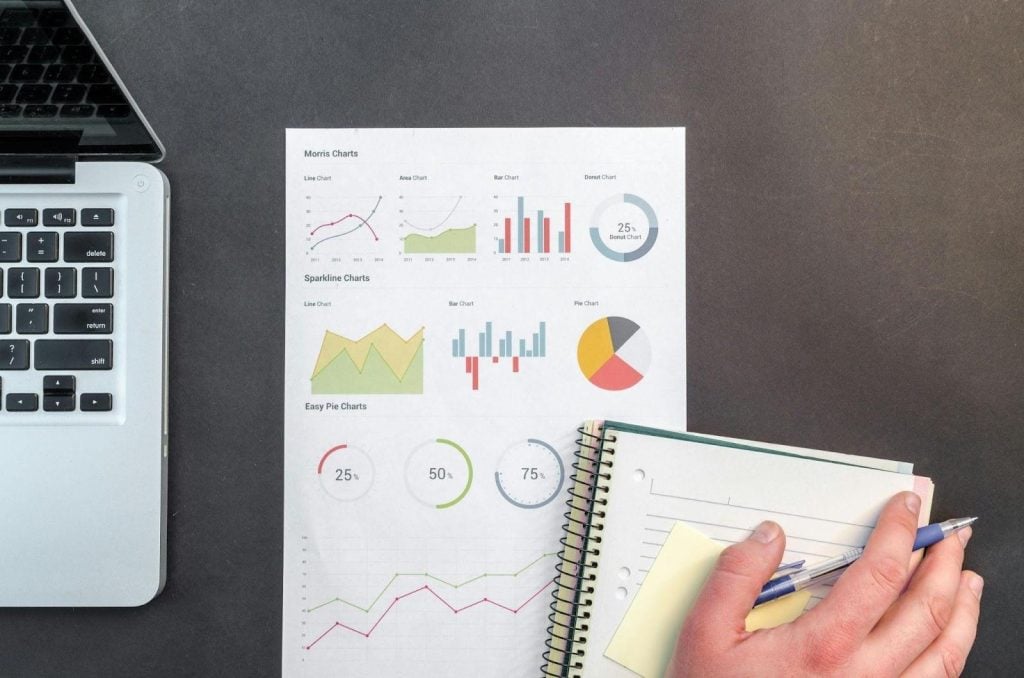
Organic metrics track engagement, shares, and reach to show content resonance. Paid metrics focus on conversions, cost efficiency, and return on ad spend, offering clear insight into ROI and campaign performance. A Google Analytics 4 connector can deepen this analysis by linking paid and organic social acquisition data with CRM leads, opportunities, and revenue outcomes.
When Should You Use Organic vs Paid Social Media?
Most brands benefit from using both, but the balance depends on your growth stage, goals, and resources. Choosing one over the other is a strategic decision that should be revisited regularly.
New businesses with no following often rely on paid social to gain early traction. Established brands with engaged communities can lean more on organic to nurture relationships and maintain visibility. Most brands use a mix, organic to build trust, and paid to scale results.
When Organic Works Best
Organic social excels for community building, brand education, and long-term credibility. Thought leadership posts, behind-the-scenes content, and customer engagement all thrive organically. It’s also ideal for testing content ideas before investing in paid campaigns, as strong organic performance signals content worth amplifying.
When Paid Delivers Better ROI
Paid social shines when you have a clear, measurable conversion goal and a defined audience. Product launches, limited-time promotions, lead generation, and e-commerce campaigns benefit from its speed, precision, and data-driven insights. Paid campaigns let you track exactly if your investment is producing results.
Comparing Organic and Paid Social Media: A Strategic View
| Aspect | Organic Social Media | Paid Social Media |
| Purpose | Build trust, credibility, and a loyal audience over time. | Drive immediate awareness, clicks, leads, or conversions. |
| Investment | Time, creativity, and consistency. | Budgeted ad spend with measurable ROI. |
| Audience Reach | Limited to followers and algorithmic boosts. | Can target any audience, beyond followers. |
| Control | Minimal—algorithm decides visibility. | Full control over who sees your content and when. |
| Speed & Results | Slow, long-term growth. | Fast results—campaigns show performance in hours or days. |
| Ideal For | Thought leadership, community building, and testing content. | Product launches, promotions, lead generation, urgent campaigns. |
How to Build a Hybrid Organic and Paid Social Strategy
Winning brands don’t choose between organic and paid. They make both work together. Organic content builds credibility, community, and consistent presence, while paid social amplifies what’s already working and reaches audiences that organic alone can’t access quickly. When aligned under one strategy, the two approaches reinforce each other.
Integrate, Don’t Separate
Organic and paid efforts should share messaging, visuals, and audience understanding. Siloed campaigns confuse audiences and dilute impact. Consistency across touchpoints builds familiarity, trust, and accelerates conversions, making every interaction more meaningful.
Test Organic Before You Spend
Use organic content as a testing ground. Publish posts first and monitor engagement, saves, shares, and comments to see what resonates. Low engagement signals the need to refine messaging, creative, or calls to action before investing in paid amplification. Testing both copy and creative organically ensures your paid campaigns start with proven content.
Boost High-Performing Posts
Posts that perform well organically are ideal for paid amplification. Boosting proven content extends its reach to new audiences, leveraging messaging you already know converts. This makes paid investment more efficient and less risky.
Align Goals in One Content Plan
A unified calendar helps map content themes, campaigns, and key business moments. Define which content supports organic goals (community, education, engagement) and which supports paid objectives (leads, conversions, awareness). Consistent messaging, tone, and visuals across both channels build familiarity that turns impressions into trust and trust into revenue.
Start With Organic, Then Decide How Far to Take It
The most effective social media strategies do not force a choice between organic and paid. Organic builds the foundation, paid scales what’s working, and multi-channel distribution tools like AmpiFire extend reach to audiences that neither organic posts nor social ads typically touch.
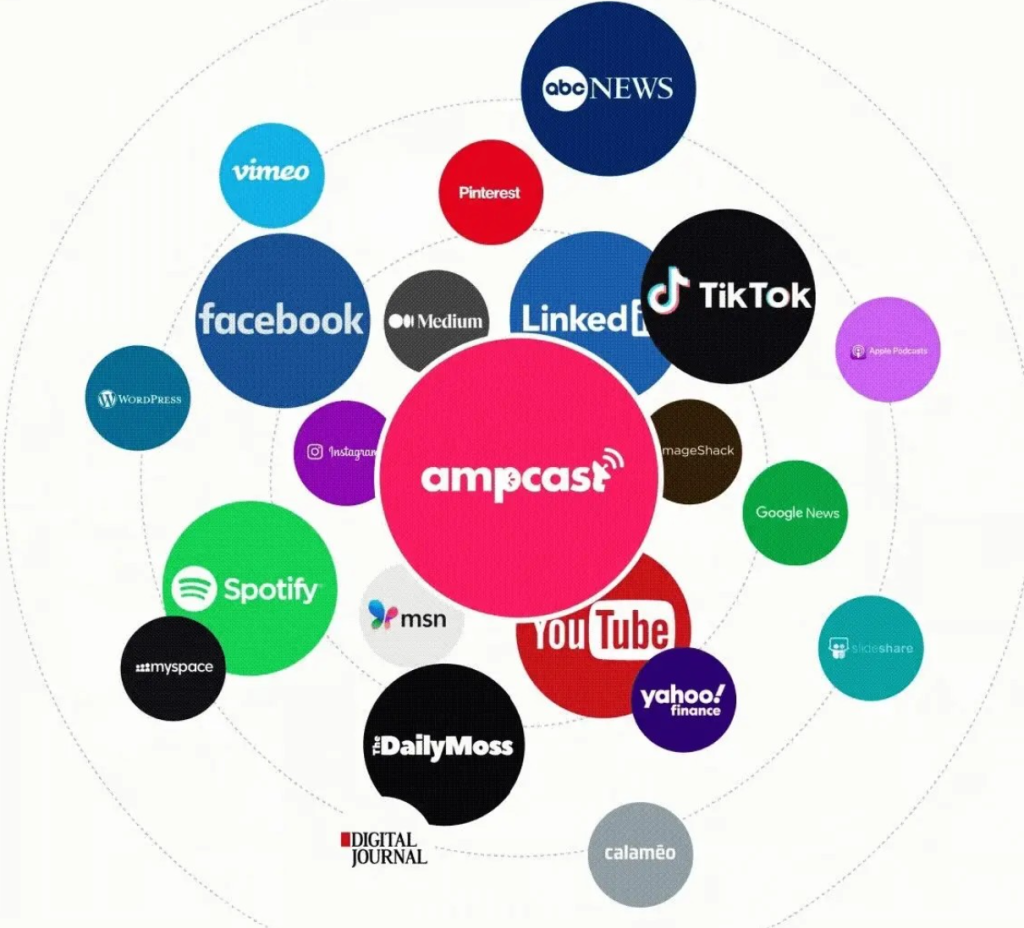
AmpiFire’s AmpCast AI takes one topic and turns it into eight content formats, including news articles, blog posts, videos, podcasts, infographics, slideshows, reels, and social posts, then distributes them to 300+ high-authority platforms automatically. That means your content reaches search, social, video, and podcast audiences in one step, building organic traffic that keeps working long after a paid campaign ends.
- Research: Identify high-value, buyer-intent topics people are actively searching for.
- Create: Produce content in eight formats optimized for each platform.
- Distribute: Publish automatically to hundreds of authoritative sites and social channels, driving organic traffic from search, social, video, and podcasts.
What AmpiFire Does for Organic Growth
- Boosts organic reach and brand trust across multiple channels.
- Strengthens off-site SEO with high-quality backlinks.
- Enables content testing: high-performing posts can be amplified further for maximum impact.
- Supports managed strategies with personalized content plans, reporting dashboards, and trust badges from top media sites.
By combining content creation, repurposing, and multi-platform distribution, AmpiFire maximizes organic traffic, strengthens paid campaigns, and builds sustainable long-term growth from a single content workflow.
Frequently Asked Questions (FAQs)
What is the main difference between organic and paid social media?
Organic social relies on algorithms, followers, and shares to distribute content with no direct cost. Paid social uses ad budgets to guarantee placement, giving precise targeting, immediate results, and full control over audience reach and timing.
Is organic social media still effective in 2026?
Yes, organic social remains effective for community building, brand storytelling, customer engagement, and warming audiences before a conversion push. While reach has declined on most platforms, TikTok, LinkedIn, and Pinterest still provide meaningful visibility for engaging, platform-native content.
Which social media platform is best for paid advertising?
Choose the platform where your audience spends time and where the content fits the platform’s intent. Meta works broadly for B2C, LinkedIn excels for B2B, TikTok for under-35 video audiences, and Pinterest for lifestyle or high-intent shoppers.
Can small businesses compete with paid social media on a limited budget?
Yes. Small businesses can target local or niche audiences with precision, making limited budgets effective. Retargeting warm audiences often outperforms broad campaigns, and even small daily spend can drive clicks, leads, or sales efficiently.
How does AmpiFire improve organic traffic?
By distributing content to high-authority sites, video channels, podcasts, and social platforms, AmpiFire strengthens off-site SEO, builds backlinks, and increases brand visibility across multiple channels without relying on paid ads.
*Disclaimer: Results may vary based on individual circumstances, business type, and content strategy. The time savings and outcomes mentioned are based on typical user experiences and are not guaranteed. For specific pricing and service details, please visit AmpiFire.
Author
Related Posts

Press Release Distribution vs Social Media Marketing for Brand Awareness: Differences & Examples
Compare press release distribution vs. social media for brand awareness. Learn key differences and benefits to choose the right strategy…

Inbound vs Outbound Marketing for B2B Companies: Differences & Examples
Compare inbound vs outbound B2B marketing, learn key differences, and see how AmpiFire amplifies results with multi-platform content and organic…
Newsletter Marketing vs Social Media for Customer Retention: Which is Better?
Email wins on ownership and revenue, social wins on community. See how AmpiFire combines both for stronger customer retention.

Social Champ Reviews, Pricing & Features: Is This Social Media Management Tool Worth It?
Get honest Social Champ reviews. Learn pricing, features, and if this social media management tool is worth your investment for…

Sprout Social vs Later: Which is Better for Social Media Scheduling?
Compare Sprout Social vs Later: features, pricing, scheduling, and ideal users. Learn which platform fits your strategy and grow with…
Native vs Display Advertising for Brand Awareness: Differences, Examples & Costs
Learn the key differences between native and display ads in terms of cost, placements, and real examples to choose the…