
Key Takeaways
- Facebook’s average cost per lead in 2026 ranges from $28 to $50+, with finance and legal pushing past $100 and e-commerce staying closer to $10 to $25.
- High CPL usually traces back to fixable problems: broad targeting, weak ad creatives, or landing pages that don’t match the offer.
- Organic content starts expensive but compounds. AmpiFire reduces that upfront cost by turning one topic into news articles, blog posts, podcasts, videos, reels, infographics, slideshows, and social posts distributed across 300+ platforms automatically.
- A single optimized blog post or video can generate leads for months at near-zero incremental cost, while paid ads stop the moment you pause spending.
- AmpiFire’s AmpCast AI handles research, creation, and distribution in one workflow, so you spend less time producing content and more time converting leads.
How Much Do Facebook Leads Actually Cost in 2026?
AmpiFire, paid Facebook ads, and organic content each offer a different path to leads on the platform, and the cost gap between them is wider than most marketers expect. Paid CPL averages $28 to $42 across industries in 2026, but organic content distributed through AmpiFire’s 300+ platform network can drop effective cost per lead to a fraction of that over 6 to 12 months. The difference comes down to whether you want immediate leads that stop when the budget runs out, or compounding traffic that keeps producing without additional spend.
Whether you rely on paid ads, organic content, or both, knowing your CPL benchmarks before launching a campaign helps you avoid overspending and make smarter budget decisions.

How AmpiFire Works:
- Research & Target: Find high-demand topics your buyers search for.
- Create & Repurpose: AmpiFire’s AmpCast AI generates news articles, blog posts, interview podcasts, longer informational videos, reels/shorts, infographics, flipbooks/slideshows, and social posts.
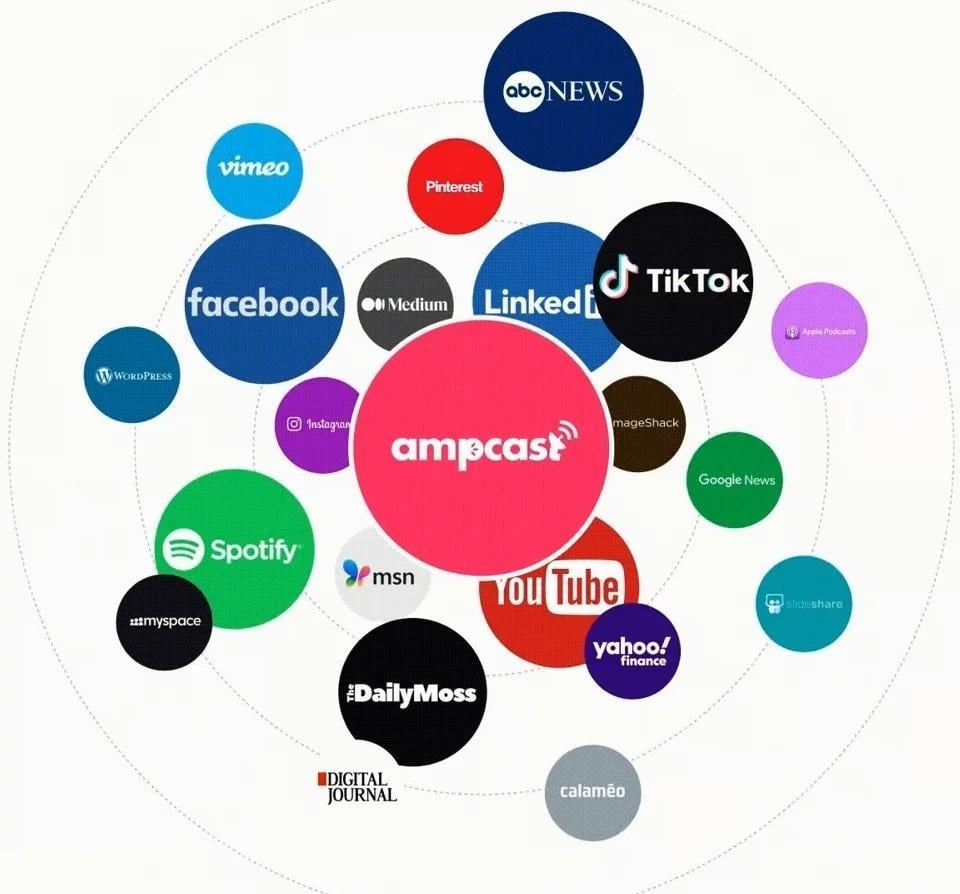
- Distribute & Amplify: Auto-publish to 300+ sites, including Google News, YouTube, Spotify, and major news networks.
Get more traffic from people who want to buy your stuff, and powerful “As Seen On” trust badges for your site.
Do It Yourself (with AI), Done For You Content, & 100% Managed Organic Growth options available.
Grow Your Free Traffic From Everywhere
What Is the Average Facebook Ad Cost Per Lead in 2026?
Facebook remains a top platform for lead generation. CPL varies widely depending on industry, targeting, and campaign quality, with the cross-industry average sitting between $28 and $42 according to recent benchmark reports.
The CPL Range: What It Actually Means
Facebook’s average cost per lead ranges from $10 to $50+, depending on industry. Lower-end CPLs come from well-optimized campaigns in low-competition niches like retail, while higher-end costs are common in finance, insurance, and legal. Many businesses fall outside this range, either exceeding it in competitive industries or beating it with strong creatives and precise targeting. Treat these numbers as a guideline, not a fixed rule.
Industries That Pay the Most for Facebook Ad Leads
CPL varies significantly by industry. Professional services such as finance, insurance, and legal typically range from $40–$100+ due to high customer value and strong competition. B2B services usually fall in the $30–$75 range, driven by niche targeting and longer sales cycles. On the lower end, e-commerce generally achieves $10–$25, especially with well-optimized campaigns and broad audience targeting.
Why Your Facebook CPL May Be Higher Than the Average
Higher CPLs are often due to fixable issues such as poor targeting, weak ad creatives, or mismatched landing pages. These factors reduce conversions and increase costs. Benchmarks help you understand where you stand, but improving performance comes from identifying and fixing these gaps.
One practical way to close that gap is to use a Facebook ad scraper tool to pull competitor ad creatives and copy in your industry, so you can see what messaging and offers are already converting before you adjust your own campaign.
Does Organic Content Lower Your Facebook CPL Over Time?
Organic content on Facebook often has a high CPL at first, but the long-term value tells a different story. Unlike paid ads, organic leads require upfront investment in content creation, distribution, and community management. Since Facebook doesn’t publish official CPL data for organic content, estimates are based on observed campaign performance and industry analysis rather than public reporting.
Why Organic Leads Cost More Upfront But Less Over Time
Organic lead generation works as a long-term play because it requires upfront investment in content creation and search optimization before consistent results appear. Once an asset like a blog post, video, or guide ranks and attracts traffic, it continues generating leads for months or years at near-zero incremental cost. That compounding effect is what makes organic content cheaper per lead over a 6 to 12 month window.
How AI Tools Are Cutting Organic Content Costs
AI-powered tools for ideation, drafting, and optimization help marketers cut content production time by 40 to 60% and reduce costs per piece. That efficiency directly lowers the effective cost per lead for organic content, especially when paired with multi-platform distribution.
How Do Facebook Ads and Organic Content CPL Compare in 2026?
| Feature / Type | Paid Facebook Ads | Organic Facebook Content |
| CPL Range | $10–$50+, varies by industry and campaign quality | Not publicly available; estimated from campaign performance and industry analysis |
| Industry Impact | Professional services (finance, insurance, legal): $40–$100+B2B services: $30–$75E-commerce: $10–$25 | Affects all industries; long-term value can outweigh the initial high cost |
| Cost Drivers | Targeting, ad creative quality, and landing page effectiveness | Content creation, distribution, community management, and optimization |
| ROI Timeline | Immediate; leads generated as ads run | Delayed; initial cost high, but assets continue generating leads months/years later |
| Efficiency Boosters | Optimized audience targeting and creative | AI tools for content ideation, drafting, and optimization reduce production costs and time |
How to Spend Less Per Lead on Facebook Without Cutting Ads
With AmpiFire, you take one topic and turn it into 8 formats: news articles, blog posts, interview podcasts, longer informational videos, reels/shorts, infographics, flipbooks/slideshows, and social posts. These publish across 300+ high-authority sites, including Google News, YouTube, Spotify, and FOX affiliate sites. That builds long-term organic traffic generating leads months after the initial publish.
AmpCast AI handles the research, creation, and distribution steps, helping you reduce your effective CPL without ongoing ad spend. Clients see traffic and leads grow month over month as each new piece of content adds to the compounding organic footprint.
Frequently Asked Questions (FAQs)
What is a good cost per lead on Facebook in 2026?
A good CPL depends on your goals and industry. The cross-industry average sits around $28 to $42 in 2026. For consumer campaigns, anything below that average shows strong efficiency. For B2B or finance, even $50 to $75 per lead can be worthwhile if each conversion brings high lifetime revenue. Evaluate CPL relative to your margins and sales cycle, not industry averages alone.
Why is my Facebook CPL so high compared to industry averages?
High CPL usually points to mismatched targeting, low ad relevance, weak offers, or post-click issues like slow landing pages. Small adjustments to audience segments, ad copy, or form length can improve lead efficiency without increasing spend. Review your ad relevance scores and conversion paths to identify exactly where costs are rising.
How do Facebook lead generation forms affect CPL?
Native Instant Forms make submitting info easy, often lowering CPL and increasing lead volume. However, easier forms may require more nurturing to convert. For high-value offers, a well-designed landing page can improve lead quality even if the initial CPL is higher.
Which industries have the lowest Facebook cost per lead?
Consumer-focused industries usually see the lowest CPLs. Retail and e-commerce perform best, followed by food & beverage, entertainment, lifestyle, and local services, benefiting from broad audiences and lower competition. In contrast, finance, insurance, legal, and B2B tech often face higher CPLs due to niche targeting and competition.
Is organic content or paid ads better for Facebook lead generation?
Paid ads deliver quick, predictable leads, while organic content builds long-term assets that keep generating leads over time. Many businesses combine both, using tools like AmpiFire to turn one topic into articles, videos, podcasts, infographics, slideshows, short-form, and social posts across various platforms, helping lower long-term CPL without extra ad spend.
*Disclaimer: Results may vary based on individual circumstances, business type, and content strategy. The time savings and outcomes mentioned are based on typical user experiences and are not guaranteed. For specific pricing and service details, please visit AmpiFire.
Author
Related Posts

Average Cost per Lead Instagram 2026: Ads vs Content
Instagram CPL in 2026 averages $5 to $30 for ads and $95 for organic. Learn how AmpiFire helps lower costs…
Average Cost per Lead on TikTok in 2026: Ads & Content
TikTok lead costs run $5 to $45 paid and $50 to $2,000 per organic video. See how AmpiFire lowers your…
Average Cost per Lead on YouTube: 2026 Ads vs Content Comparison
YouTube cost per lead in 2026 averages $8.42 for ads and $15 to $50 for organic content. See how format,…
LinkedIn Average Cost per Lead in 2026: Content vs Ads Compared
LinkedIn CPL in 2026 ranges from $45 to $164. Compare paid vs organic costs and see how AmpiFire amplifies content…

Average Social Media Cost Per Lead 2026 Compared | Ads vs. Content
Key Takeaways: In 2026, paid social media advertising averages $65 per lead while organic content marketing costs $95 per lead,…
Average Real Estate Cost Per Lead Prices & Rates 2026 | Ads vs. Content
Key Takeaways The average cost per lead (CPL) in real estate typically ranges from $416–$480, but varies significantly by platform,…