


Key Takeaways
- Brand reputation drives revenue, hiring, partnerships, and investor confidence. Positive actions build trust, while crises act as withdrawals; brands with thin reputational reserves are quickly vulnerable.
- Common triggers include social media backlash, product failures, data breaches, employee misconduct, and negative media coverage. Early recognition helps brands monitor and respond effectively.
- Preparation is key: audit reputation, identify vulnerabilities, form a crisis team, and maintain a communication playbook with pre-approved messages, tiered response levels, and regular drills.
- Real examples show speed and transparency matter most. Johnson & Johnson, KFC, and Starbucks rebuilt trust by acting decisively and prioritizing customer welfare.
- AmpiFire, using our AmpCast AI, strengthens visibility and reputation, turning one topic into eight content formats distributed across 300+ high-authority sites, generating organic traffic and building long-term trust.
What Is Brand Reputation Crisis Management?
Brand reputation crisis management is the structured process of identifying, responding to, and recovering from events that threaten how customers, partners, employees, and the public perceive your business. It draws on public relations, legal strategy, internal communications, and digital reputation management to coordinate a unified response when a brand’s credibility comes under fire.
This article covers everything from the common triggers that spark reputational crises, viral social media backlash, product failures, data breaches, and employee misconduct, to the step-by-step strategies brands use to prepare, respond, and rebuild.

How AmpiFire Works:
- Research & Target: Find high-demand topics your buyers search for.
- Create & Repurpose: AmpiFire’s AmpCast AI generates news articles, blog posts, interview podcasts, longer informational videos, reels/shorts, infographics, flipbooks/slideshows, and social posts.
- Distribute & Amplify: Auto-publish to 300+ sites, including Google News, YouTube, Spotify, and major news networks.
Get more traffic from people who want to buy your stuff, and powerful “As Seen On” trust badges for your site.
Do It Yourself (with AI), Done For You Content, & 100% Managed Organic Growth options available.
Grow Your Free Traffic From Everywhere
Common Triggers of a Brand Reputation Crisis
Crises rarely come with warning, but they often have identifiable origins. Knowing the common triggers helps businesses monitor risks and prepare contingency plans.
Social Media Backlash & Viral Negative Content
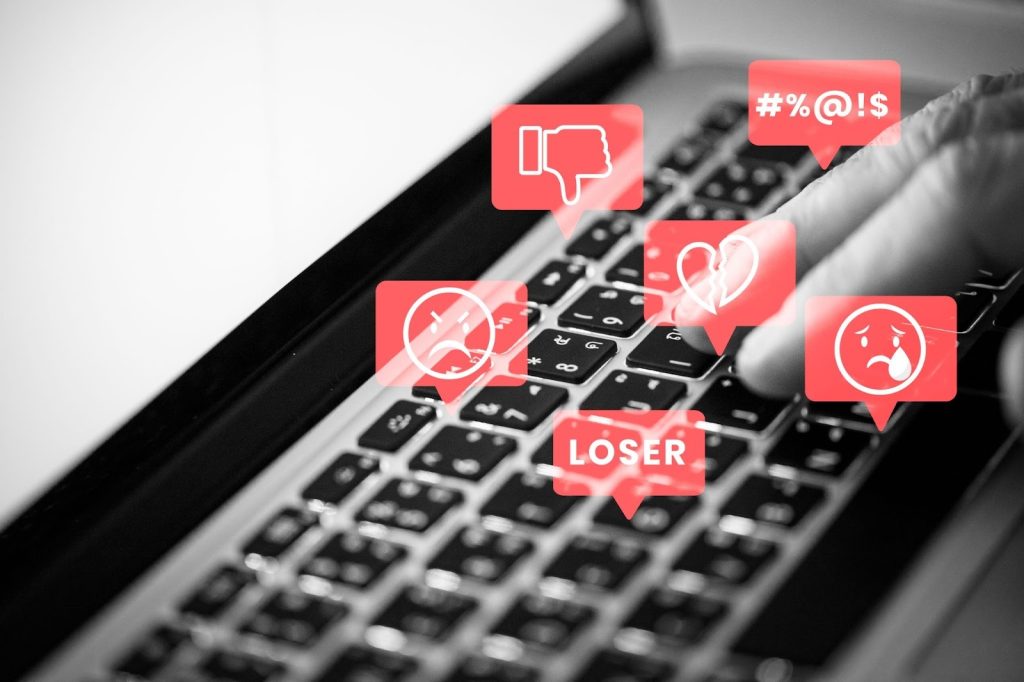
Social media accelerates the spread of complaints. A single video, screenshot, or post can reach millions within hours, especially if it taps into cultural conversations about ethics or fairness. Viral backlash often escalates quickly, drawing mainstream media attention before leadership can respond.
Product Failures, Recalls, & Safety Concerns
Defective products, contaminated food, or software flaws pose threats to both customer safety and legal liability. Reputational damage worsens when brands delay acknowledgment, respond defensively, or try to downplay issues. Quick, transparent action is essential.
Data Breaches & Cybersecurity Incidents
Breaches expose both customer data and the brand’s failure to protect it. Public concern over privacy makes these incidents highly damaging. The response, clarity on what happened, who is affected, and the steps taken determine the reputational impact. A digital footprint checker can also help individuals see what personal information may already be exposed online, which is especially relevant when a breach raises privacy concerns or creates risk of impersonation.
Beyond communications, mature incident playbooks should be backed by enterprise cyber protection that integrates anti‑malware, backup, and disaster recovery to ensure resilience, sustain operations, and preserve evidence during breach investigations.
Employee Misconduct & Internal Controversies
Leadership scandals, discrimination claims, toxic culture exposés, and public disputes signal that a brand’s values may be performative. Once internal issues go public, the brand quickly loses control of the narrative.
Negative Media Coverage & Investigative Journalism
Investigative reports in credible outlets carry lasting weight. Unlike social media, which may fade, media exposés create permanent records that shape public perception and often attract regulatory scrutiny.
How to Build a Crisis Management Strategy Before a Crisis Hits
The best time to prepare is when things are going well. Brands that handle crises successfully already have documented protocols, trained teams, and pre-approved communication frameworks ready to deploy. Here are the key strategies to put in place before a crisis ever hits:
- Audit Your Current Brand Reputation: Search your brand on Google, Bing, and in images, and review the top results. Review star ratings and comments on Google, Trustpilot, Yelp, and industry platforms, then analyse social media sentiment over the past 90 days. Identify recurring negative feedback themes, review any pending legal, regulatory, or customer issues, and assess executives’ public profiles for vulnerabilities. Quarterly audits help track reputation health, like financial performance, and highlight areas needing attention.
- Identify Your Highest-Risk Vulnerabilities: Map the areas where your brand is most exposed. Consider supply chains, data privacy, social media presence, executive visibility, customer service trends, and regulatory compliance. Rank vulnerabilities by likelihood and impact to prioritise preparedness.
- Build a Crisis Response Team and Chain of Command: Confusion kills early crisis response. Assign a Crisis Lead (CEO/CMO), Communications Director, Legal Counsel, Customer Service Lead, and Digital/Social Manager, ensuring each role has clear responsibilities, designated backups, and defined activation triggers.
- Write Your Crisis Communication Playbook: Your playbook should include tiered crisis classification levels, pre-approved templates for likely scenarios such as data breaches, product failures, or social media backlash, and clear spokesperson guidelines covering tone and legal review. It should also outline channel-specific protocols for Twitter/X, LinkedIn, press, email, and internal comms, along with an escalation timeline: acknowledgment within 1 hour, an initial statement within 4 hours, and a full response within 24 hours. Ensure the playbook is accessible at all times, run tabletop exercises twice a year to test readiness, and update it regularly to reflect new products, social media activity, or leadership changes.
How to Respond When a Reputation Crisis Hits
The First 24 Hours Are Critical
The initial 24 hours are like the first moments of a medical emergency. Delays worsen the crisis, while prompt action improves outcomes. Within the first hour, activate your crisis team, start monitoring all channels, and issue a holding statement. It doesn’t need all answers—just acknowledgment that the brand is aware and taking the situation seriously. Silence is interpreted as guilt, indifference, or panic.
Crafting a Crisis Response Statement

A strong statement acknowledges the situation, shows empathy, and communicates concrete next steps. Avoid legal-heavy language, minimizing impact, or overpromising. Use a human, direct tone; audiences detect corporate or liability-first messaging, which undermines trust.
Apologize vs. Correct Misinformation
Decide carefully whether to apologize or push back:
- Apologize when real harm occurred. Be specific, accountable, and follow with tangible action. Avoid vague or conditional apologies, as they escalate crises.
- Correct misinformation calmly with verifiable facts. Avoid emotional engagement with bad-faith actors; focus on making the accurate story more visible and credible.
Real Brand Reputation Crisis Examples & What They Teach Us
Studying brands that faced crises shows that size doesn’t determine outcomes; response speed and quality do. Small brands that act transparently often outperform large corporations that respond defensively.
Johnson & Johnson Tylenol Recall (1982)
Seven deaths from cyanide-laced capsules threatened Tylenol’s 35% market share. J&J recalled 31 million bottles, communicated transparently with the public, and introduced tamper-evident packaging. Within a year, the brand recovered. Lesson: Prioritize customer safety and act decisively.
KFC UK Chicken Shortage (2018)
Logistics failure forced hundreds of UK KFC stores to close. KFC responded with a humorous “FCK” ad and a transparent apology. The approach turned a major operational failure into positive public attention.
Starbucks Racial Bias Incident (2018)
After two Black men, Rashon Nelson and Donte Robinson, were arrested at a Philadelphia Starbucks simply for waiting on a business associate, without placing an order, CEO Kevin Johnson issued a swift, personal apology and called the incident “reprehensible.”
Rather than issue a statement and move on, the company closed all 8,000 U.S. stores for a full afternoon of racial bias training, putting $12 million behind its words and signaling that accountability, not optics, was the priority.
Strengthen Your Brand Reputation Before a Crisis Hits with AmpiFire
The brands that recover fastest from reputation crises are rarely the ones with the biggest budgets; they’re the ones that already have a strong, visible presence across every channel their audience uses. When a crisis breaks, a brand with established authority across search, social, video, podcasts, and news has far more surface area to push a credible counter-narrative than one starting from scratch.
That’s where AmpiFire and AmpCast AI come in. With 15+ years of experience generating millions of visitors for eCommerce brands, AmpCast AI transforms any topic into eight content formats: news articles, social posts, reels/shorts, infographics, interview podcasts, flipbooks/slideshows, blog posts, and longer informational videos, each optimised for the platform it lives on.
All eight formats are distributed simultaneously across 300+ high-authority platforms, including Google News, YouTube, Spotify, Pinterest, and major media affiliates. The result is a consistent, authoritative brand presence built up long before you ever need it.
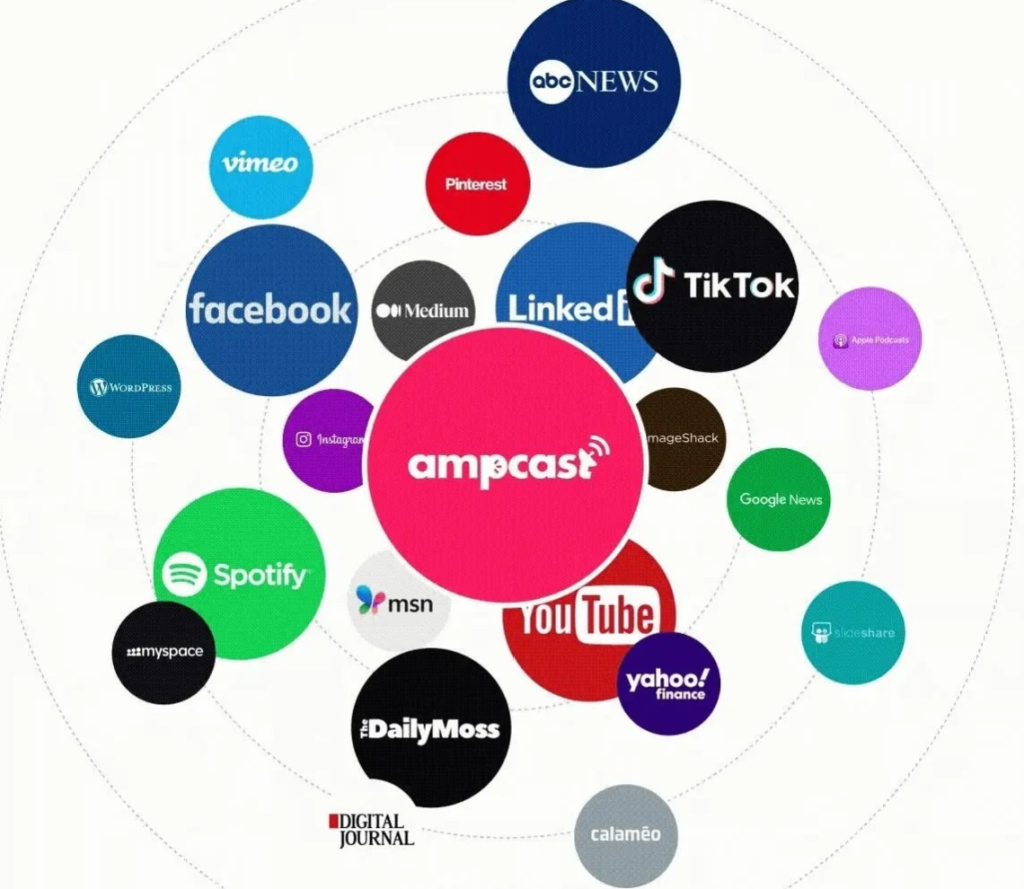
The process runs in three steps: Research & Target identifies the high-value topics your buyers are actively searching for. Create & Repurpose produces all eight formats through AmpCast AI, with each piece tailored to its platform. Distribute & Amplify pushes everything across hundreds of authoritative sites simultaneously, signalling to algorithms and your audience that your brand is a trusted, active presence.
Frequently Asked Questions (FAQs)
How Long Does It Take to Recover From a Brand Reputation Crisis?
Recovery depends on crisis severity, response speed, and sustained post-crisis effort. Minor crises may recover within weeks; major crises can take six months to two years. Fast, transparent corrective action accelerates rebuilding trust and public sentiment.
What Is the First Thing a Brand Should Do During a Reputation Crisis?
Immediately activate your crisis response team and monitor all channels to assess scale and narrative. Issue a brief holding statement acknowledging the situation and showing responsiveness. Silence worsens perception, while early acknowledgment buys time for a proper response.
Can Small Businesses Afford Professional Crisis Management?
Yes. Core crisis infrastructure, a documented plan, a designated spokesperson, monitoring, and templates are affordable. Free tools and a short consultation can build a playbook. Preparedness protects brand equity, especially since small businesses are more vulnerable to permanent damage.
What Is the Difference Between Reputation Management and Crisis Management?
Reputation management is proactive, ongoing work to build goodwill and a positive perception. Crisis management is reactive, focused on containing specific events. Strong reputation management increases resilience, allowing faster recovery and less lasting damage when crises occur.
What’s the most efficient way to manage content across multiple platforms?
Manually posting is time-consuming. AmpiFire’s AmpCast AI transforms any topic into eight content formats and distributes everything across 300+ platforms simultaneously, combining AI speed with human-reviewed content, so your brand reaches blogs, social media, video channels, and news sites without the manual workload.
Author
Related Posts


Birdeye Reputation Management Software Pricing & Reviews: Is This AI Tool Worth It?
Is Birdeye worth it? Comprehensive review of pricing plans, AI capabilities, and user experiences with this reputation management platform.

Synup Reviews, Features & Pricing: Is This a Legit Reputation Management Software?
Find out whether Synup is worth it with this full review of its key features, pricing plans, real user feedback,…

How To Fix Your Online Reputation & Get A Second Chance With Google
Google is the most popular search engine on the planet, and for good reason. With over 8.5 billion searches every…

Which Business Niches Are Safe & Which Industries Suffer in A Crisis?
Now let’s look beyond the initial crisis and the coming economic troubles, and see what niches are set to be…

How to Implement Your Own Brand News Writing Strategy: Inverted Pyramid Approach Explained
In this post, I'm showing you how to master the inverted pyramid style of writing that journalists use when crafting…

BigCommerce Brand About Us Page: Writing Guide, Template & Content Examples
Unlock the secret to building trust and boosting sales with an effective BigCommerce Brand About Us Page step-by-step guide and…