Key Takeaways
- LinkedIn cost per lead in 2026 sits between $45 and $150 for paid ads, while organic content averages around $164 per lead but lowers in cost as your audience grows.
- Most marketers either lean too hard on paid ads, which keeps CPL high, or post organically without distribution, which buries good content and stalls lead flow.
- The strongest LinkedIn strategy pairs Lead Gen Forms for direct capture with consistent organic content amplified by AmpiFire, so audiences are warmed before any ad dollar is spent.
- Pairing audience-warming content with retargeted Lead Gen Forms can drop CPL into the $45 to $65 range, compared with $85 to $120 for cold-audience video campaigns.
- AmpiFire turns one LinkedIn topic into 8 content formats and pushes them to 300+ sites including Google News, YouTube, Spotify, and FOX affiliates, so the same idea reaches buyers across search, social, video, and audio.
LinkedIn Cost Per Lead Explained: How Ads and Organic Content Impact Your Results
LinkedIn cost per lead in 2026 falls into a clear range: Lead Gen Forms run $45 to $120, Website Conversion Ads run $65 to $150, Messaging Ads run $70 to $110, and organic B2B content averages around $164 per lead. Paid formats give you predictable capture and instant pipeline, while organic posts cost more upfront in time but get cheaper as your audience compounds. Which mix fits depends on how fast you need leads, how warm your audience already is, and how much content you can keep in market.

How AmpiFire Works:
- Research & Target: Find high-demand topics your buyers search for.
- Create & Repurpose: AmpiFire’s AmpCast AI generates news articles, blog posts, interview podcasts, longer informational videos, reels/shorts, infographics, flipbooks/slideshows, and social posts.
- Distribute & Amplify: Auto-publish to 300+ sites, including Google News, YouTube, Spotify, and major news networks.
Get more traffic from people who want to buy your stuff, and powerful “As Seen On” trust badges for your site.
Do It Yourself (with AI), Done For You Content, & 100% Managed Organic Growth options available.
Grow Your Free Traffic From Everywhere
LinkedIn Ads Cost Per Lead by Format
LinkedIn ad formats vary significantly in cost per lead depending on how directly they capture leads and where they sit in the funnel. In 2026, Lead Gen Forms typically generate leads between $45–$120 CPL, Website Conversion Ads range from $65–$150 CPL, while Messaging ads can produce leads around $70–$110, depending on response rates. Other formats like Single Image, Document, and Video Ads don’t generate CPL directly but influence it through retargeting.
Lead Gen Forms: $45–$120 CPL
Lead Generation Forms consistently deliver the most predictable CPL because they capture leads directly on LinkedIn. Most campaigns fall between $45 and $120 per lead, depending on targeting and the quality of the offer. They are the go-to format for scalable lead generation.
Messaging ads (InMail): ~$70–$110 CPL
Although priced per send, Sponsored Messaging can result in CPL around $70–$110 when response rates are strong. Actual costs vary based on message quality and audience targeting, making performance less consistent than Lead Gen Forms.
Single Image and Document Ads
These formats don’t produce leads directly on their own, but when paired with Lead Gen Forms, they can significantly reduce overall CPL. For example, campaigns using Document Ads with Lead Gen typically see CPLs between $45 and $65, while Single Image Ads with Lead Gen usually land between $65 and $95. By warming up audiences before retargeting, these formats make lead generation more cost-efficient.
Video Ads: Indirect CPL Impact
Video Ads don’t generate direct CPL on their own, but when paired with Lead Gen Forms, they play a key role in lowering costs. Campaigns using Video Ads with Lead Gen typically see CPLs between $85 and $120. By building awareness and engagement first, they make retargeting more effective, resulting in cheaper leads than targeting completely cold audiences.
LinkedIn Organic Content CPL: What It Actually Costs
Organic LinkedIn content isn’t free; it costs time and effort to build an audience before leads start coming in. Across B2B, organic leads average about $164 per lead, compared with $310 for paid B2B SaaS campaigns. Organic takes longer to produce leads, but Cost Per Lead usually drops over time as your audience and content grow, unlike paid campaigns, where costs stay flat or rise.
How to Calculate CPL From Organic LinkedIn Posts
- Step 1: Track time and tool costs.
- Step 2: Count leads generated from organic activity.
- Step 3: Divide the total cost by the total leads.
LinkedIn Ads vs. Organic Content: Side-by-Side Comparison
Choosing between paid LinkedIn ads and organic content isn’t about one being better; it’s about timing and strategy. Each approach has its strengths, weaknesses, and role in a lead generation program.
Speed to First Lead
Paid ads are the fastest way to get leads. They can generate interest almost immediately. Organic content, on the other hand, takes time to build momentum and an audience before leads start coming in.
Lead Quality and Conversion Differences
Leads from organic content tend to have more familiarity with your brand, making conversations smoother and trust easier to build. Paid leads often need more nurturing, though the right targeting and offer can still produce strong, high-quality prospects.
Long-Term Cost Trajectory for Each Approach
Paid ads deliver quick results but require ongoing spend. Organic content builds over time, growing an audience that continues generating leads without constant investment. Its value compounds as content ages and visibility increases.
Which Delivers Better ROI in 2026
Organic content drives stronger long-term ROI, while paid ads provide an immediate pipeline. The most effective LinkedIn strategy blends both, using paid campaigns for speed and organic content for sustainable growth.
LinkedIn Lead Generation Costs: Ads vs Organic
| Category | Format / Method | Typical CPL (2026) | Notes |
| Paid Ads | Lead Gen Forms | $45–$120 | Most predictable CPL, best for scalable lead capture |
| Paid Ads | Website Conversion Ads | $65–$150 | Depends heavily on landing page performance |
| Paid Ads | Messaging Ads (InMail) | $70–$110 | CPL varies based on response rate and targeting |
| Paid Ads | Single Image Ads | Indirect | Low direct CPL impact, improves later conversions |
| Paid Ads | Document Ads | $45–$65 (with Lead Gen) | Works best when paired with Lead Gen Forms |
| Paid Ads | Video Ads | $85–$120 (with Lead Gen) | Builds trust before conversion |
| Organic | Organic Content | ~$164 CPL (avg B2B) | Higher upfront time cost, improves efficiency over time |
The Smartest Way to Lower LinkedIn CPL in 2026
The honest answer to LinkedIn lead generation in 2026 is that no single channel wins. Lead Gen Forms give you the most predictable paid CPL between $45 and $120, while organic content sits around $164 per lead but compounds as your audience grows, so the cheapest sustainable strategy runs both at once.
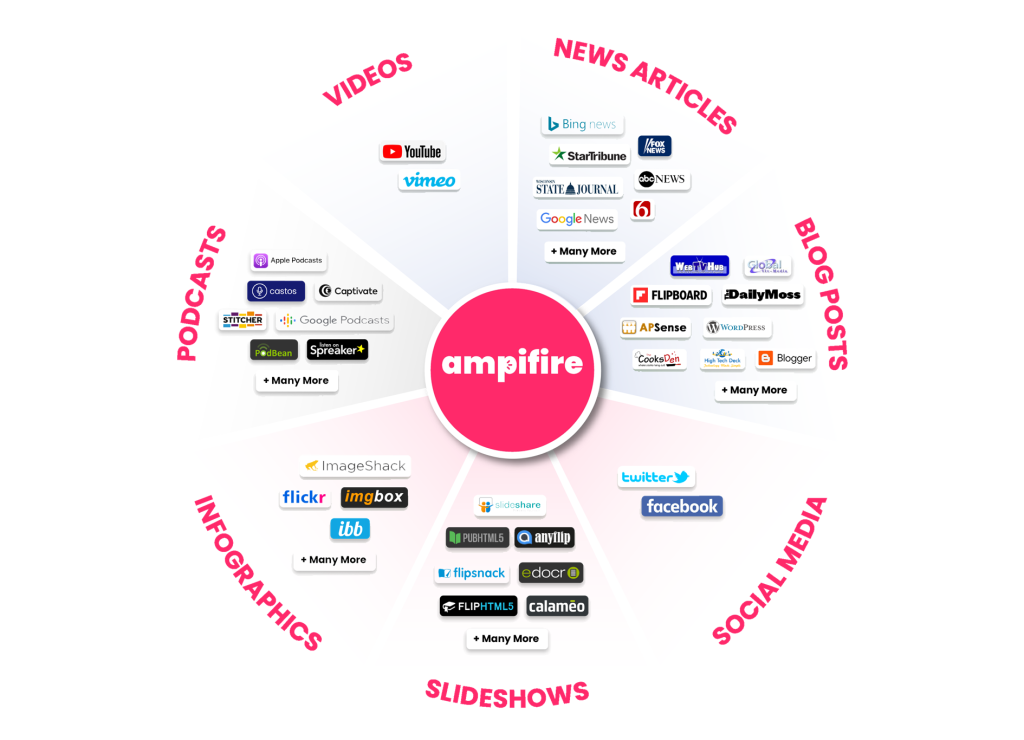
That is where AmpiFire fits. It turns one LinkedIn topic into 8 content formats, including news articles, blog posts, interview podcasts, longer informational videos, reels and shorts, infographics, flipbooks and slideshows, and social posts, then distributes them to 300+ high-authority sites such as Google News, YouTube, Spotify, and FOX affiliates. Your LinkedIn audience gets warmed across search, video, and audio before they ever see a Lead Gen Form, which is what drops CPL in practice.
Ready to lower your LinkedIn CPL? Get started with AmpiFire and turn one topic into 8 formats distributed across 300+ sites.
Frequently Asked Questions (FAQs)
How effective is LinkedIn for generating B2B leads?
LinkedIn is highly effective for B2B lead generation when you use the right mix of paid campaigns and organic content. Paid ads can deliver leads quickly, while organic content builds long-term trust and audience engagement. Combining both approaches creates a balanced strategy that drives consistent and high-quality lead flow over time.
How can I amplify my LinkedIn content to generate more leads efficiently?
Scaling organic LinkedIn content can be challenging, but consistent posting and audience engagement are key. Tools like AmpiFire can help streamline content distribution across LinkedIn and other channels, making it easier to reach more prospects and turn thought leadership into measurable leads.
Is organic LinkedIn content worth it compared to paid ads?
Yes, but only with consistent posting and audience-building over time. Organic content takes longer to generate leads, yet it supports lower costs and stronger engagement in the long run. The most effective approach combines organic content with paid campaigns to balance immediate results and sustainable growth.
Which LinkedIn ad format gives the lowest cost per lead?
Lead Gen Forms typically deliver the most predictable leads because they capture data directly on LinkedIn, reducing friction. Sponsored Messaging can also generate leads, but results vary based on audience response and engagement.
How can I track cost per lead from my organic LinkedIn content?
Start by defining what counts as a lead from organic activity, then measure the time and resources spent creating content against the leads generated. Consistent tracking, even if imperfect, helps identify trends, optimize campaigns, and understand long-term cost efficiency.
*Disclaimer: Results may vary based on individual circumstances, business type, and content strategy. The time savings and outcomes mentioned are based on typical user experiences and are not guaranteed. For specific pricing and service details, please visit AmpiFire.
Author
Related Posts


Average Social Media Cost Per Lead 2026 Compared | Ads vs. Content
Key Takeaways: In 2026, paid social media advertising averages $65 per lead while organic content marketing costs $95 per lead,…

Average Cost per Lead on TikTok in 2026: Ads & Content
TikTok lead costs run $5 to $45 paid and $50 to $2,000 per organic video. See how AmpiFire lowers your…
Average Cost per Lead Instagram 2026: Ads vs Content
Instagram CPL in 2026 averages $5 to $30 for ads and $95 for organic. Learn how AmpiFire helps lower costs…
Facebook Average Cost per Lead in 2026: Ads vs Content
Facebook's average CPL in 2026 runs $28-$50+. See how AmpiFire's organic content approach lowers your effective cost per lead over…
Average Real Estate Cost Per Lead Prices & Rates 2026 | Ads vs. Content
Key Takeaways The average cost per lead (CPL) in real estate typically ranges from $416–$480, but varies significantly by platform,…
LinkedIn Marketing vs Facebook Advertising for B2B Lead Generation: Benefits & Costs
LinkedIn vs Facebook for B2B leads: costs, targeting, and how AmpiFire adds organic reach across 300+ platforms to complement paid…