
Key Takeaways
- Inbound and outbound together build a strong B2B pipeline: inbound pulls prospects in organically, while outbound speeds growth by reaching high-value targets directly.
- Inbound marketing builds authority and trust through valuable content on platforms like LinkedIn, using thought leadership to attract organic traffic and educate prospects over time.
- Outbound marketing connects directly with targeted prospects via emails, ads, or account-based campaigns, making it ideal for fast lead generation and new market entry.
- Strategy choice depends on brand recognition, sales cycle, and growth goals: startups benefit from outbound; established companies gain long-term value from inbound.
- AmpiFire’s AmpCast AI converts one topic into 8 content formats, distributing them across 300+ high-authority sites to drive traffic, leads, and insights.
Inbound vs Outbound Marketing: What B2B Companies Need to Know
Inbound marketing attracts prospects on their terms. With the right content, blogs that rank on Google, LinkedIn articles, or webinars, you pull ideal customers to you. Outbound marketing flips this: you reach out through cold emails, LinkedIn prospecting, paid ads, trade shows, or direct calls.
Inbound tactics like blogs, social media, lead magnets, email sequences, and webinars aim to capture leads already looking for solutions. Outbound focuses on connecting with high-value prospects before they start searching. Both need effort: inbound requires consistent content and optimization, and outbound needs sharp targeting, persuasive messaging, and a budget.
The key is using both together. Outbound can drive traffic to inbound content, while inbound leads can be retargeted with outbound campaigns. Inbound builds a magnetic brand over time; outbound accelerates growth. Together, they create a B2B leads pipeline that is sustainable and scalable.

How AmpiFire Works:
- Research & Target: Find high-demand topics your buyers search for.
- Create & Repurpose: AmpiFire’s AmpCast AI generates news articles, blog posts, interview podcasts, longer informational videos, reels/shorts, infographics, flipbooks/slideshows, and social posts.
- Distribute & Amplify: Auto-publish to 300+ sites, including Google News, YouTube, Spotify, and major news networks.
Get more traffic from people who want to buy your stuff, and powerful “As Seen On” trust badges for your site.
Do It Yourself (with AI), Done For You Content, & 100% Managed Organic Growth options available.
Grow Your Free Traffic From Everywhere
What is Inbound Marketing for B2B?
Inbound marketing for B2B is about creating valuable content and experiences that attract target buyers organically, without interrupting them. It works because it meets busy, skeptical decision-makers where they already are, searching on Google, scrolling LinkedIn, or downloading resources that solve immediate problems. When your content answers their questions better than anyone else’s, you earn attention without chasing it.
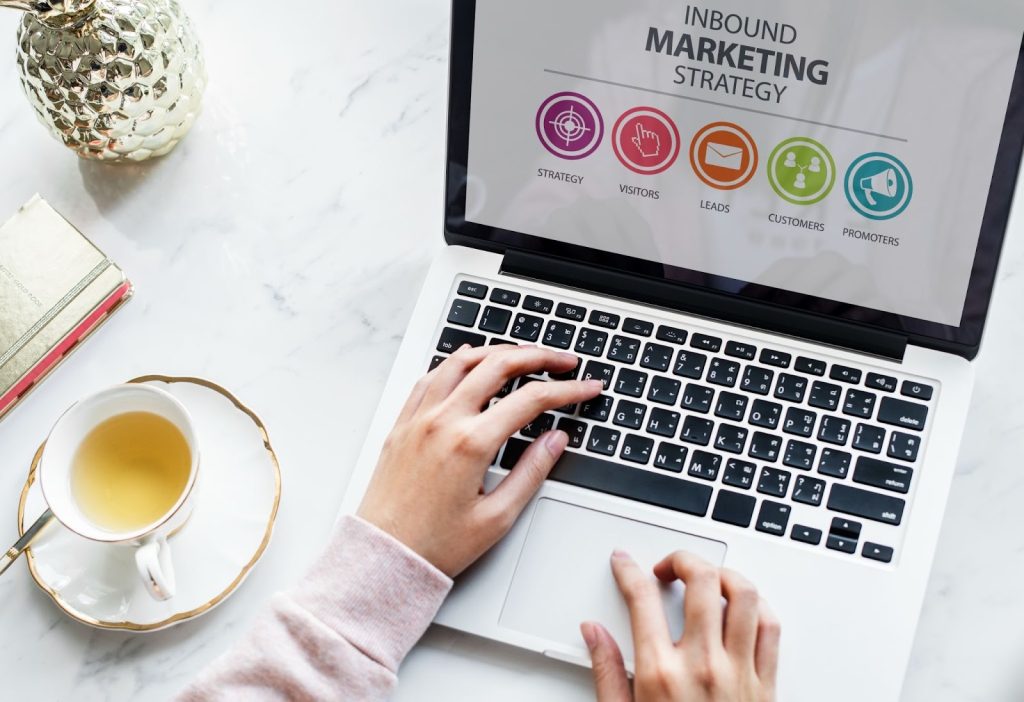
A well-crafted, relevant guide can drive clicks and generate leads, while content marketing fuels awareness and interest at the top of the funnel. LinkedIn adds visibility through thought leadership posts, long-form articles, and strategic engagement. Over time, authority, social proof, and brand awareness grow, helping your company get noticed by the right prospects.
Modern B2B buyers do most of their research independently before contacting suppliers. By the time they reach your sales team, their opinions are often shaped by the content they’ve consumed. Companies that win B2B deals today focus on educating buyers early, ensuring their brand appears during this crucial research phase.
What is Outbound Marketing for B2B?
Outbound marketing is proactive because your team or ads reach out to prospects who may not know you yet. Done well, with precise targeting, personalization, and relevant messaging, it doesn’t feel like spam but like a timely, thoughtful contact.
Common B2B outbound channels include cold emails, LinkedIn outreach, PPC ads, direct sales calls, ABM campaigns, and trade shows. Outbound puts your brand in front of specific companies or decision-makers instead of waiting for them to find you. Precision targeting by industry, size, job title, or geography makes outbound uniquely powerful.
Outbound is especially effective in long B2B sales cycles, keeping your brand visible through consistent, multi-touch outreach. It’s also ideal for entering new markets or launching products, providing a fast, direct line to prospects when inbound efforts alone would take months to generate traction.
Key Differences Between Inbound & Outbound Marketing
Understanding the real-world trade-offs between these two strategies helps you allocate budget and effort more effectively.
Speed: Short vs Long Term
Outbound can spark sales conversations in days, like a cold email sequence generating meetings within a week. Inbound content may take three to twelve months to rank, but it can keep generating leads for years. Outbound stops delivering once the effort or spend stops.
Cost: Build vs Ongoing Spend
Inbound has higher upfront costs for content creation, but the cost per lead decreases as your content library and site authority grow. One high-ranking piece can generate hundreds of leads at almost zero ongoing cost. Outbound requires continuous spending; reach ends when the budget does. Early-stage companies may benefit from outbound’s predictable spend, but long-term economics favor inbound.
Audience Control
Inbound puts the prospect in control, as they choose when and how to engage, producing higher-intent leads. Outbound gives you full control over who you contact, when, and through which channel, making it ideal for targeting key accounts in high-stakes deals.
Measuring Success
Inbound is tracked through organic traffic, keyword rankings, content downloads, and marketing-qualified leads, which grow gradually. Outbound is measured by reply rates, booked meetings, ad performance, and pipeline value, which move fast but drop if effort stops. Smart teams monitor both cost per lead and acquisition to guide budget allocation.
Inbound vs Outbound Marketing for B2B: Comparison Table
| Aspect | Inbound Marketing | Outbound Marketing |
| Approach | Attracts prospects with consistent, quality content | Reaches out directly to prospects |
| Speed | Slow (builds over time) | Fast (quick lead generation) |
| Cost | Higher upfront, lower long-term cost per lead | Requires ongoing spend |
| Audience Control | Prospect-driven engagement | Marketer controls targeting |
| Best Use | Long-term growth and brand building | Immediate pipeline and quick results |
| Sustainability | Long-lasting, compounding results | Stops when outreach stops |
Real-World Examples of Inbound & Outbound Marketing
B2B Inbound Marketing Example
A B2B SaaS company can use blog content to attract prospects over time. For example, brands like HubSpot have scaled their annual recurring revenue in part by consistently publishing educational content that drives organic traffic and leads without ongoing ad spend. This inbound approach builds authority and creates a long‑term lead pipeline as content gains search visibility.
B2B Outbound Marketing Example
LinkedIn Sponsored Content campaigns are an effective outbound tactic for reaching specific professional audiences. HubSpot, for instance, ran targeted LinkedIn Sponsored Content aimed at marketing professionals with downloadable assets like ebooks and webinars, resulting in significantly higher quality leads compared with other paid platforms.
Similarly, targeted outbound PPC on LinkedIn, such as campaigns by companies like Adobe focusing on niche B2B audiences, shows how precise paid outreach can quickly surface demos or decision‑maker responses.

Inbound vs Outbound: Which Strategy Fits Your B2B Business?
The right strategy depends on your business stage, pipeline, sales cycle, and brand recognition. A fast-growing SaaS startup has different needs than a long-established consulting firm. The common mistake is defaulting to the approach a founder prefers: sales-oriented founders choose outbound, content-focused founders choose inbound. Neither is wrong, but neither is complete on its own.
Outbound: Fast Leads & Market Entry
Outbound is ideal for startups with no brand, new products, new markets, or niche audiences. Success depends on research, personalization, and targeting. It also provides real-time feedback to refine messaging and improve inbound content.
Inbound: Sustainable Growth & Authority
Inbound works best for long-term growth. Consistent blogs, gated content, optimization, and LinkedIn engagement build a 24/7 lead engine while nurturing trust. Prospects exposed to inbound content are pre-educated, shortening sales cycles and easing conversions.
Boost Your B2B Marketing with AmpiFire
AmpiFire’s AmpCast AI transforms a single topic into 8 unique content formats – news articles, blog posts, interview podcasts, longer informational videos, reels/shorts, infographics, flipbooks/slideshows, and social posts – then distributes them across 300+ high-authority sites like Google News, YouTube, Spotify, and Pinterest.
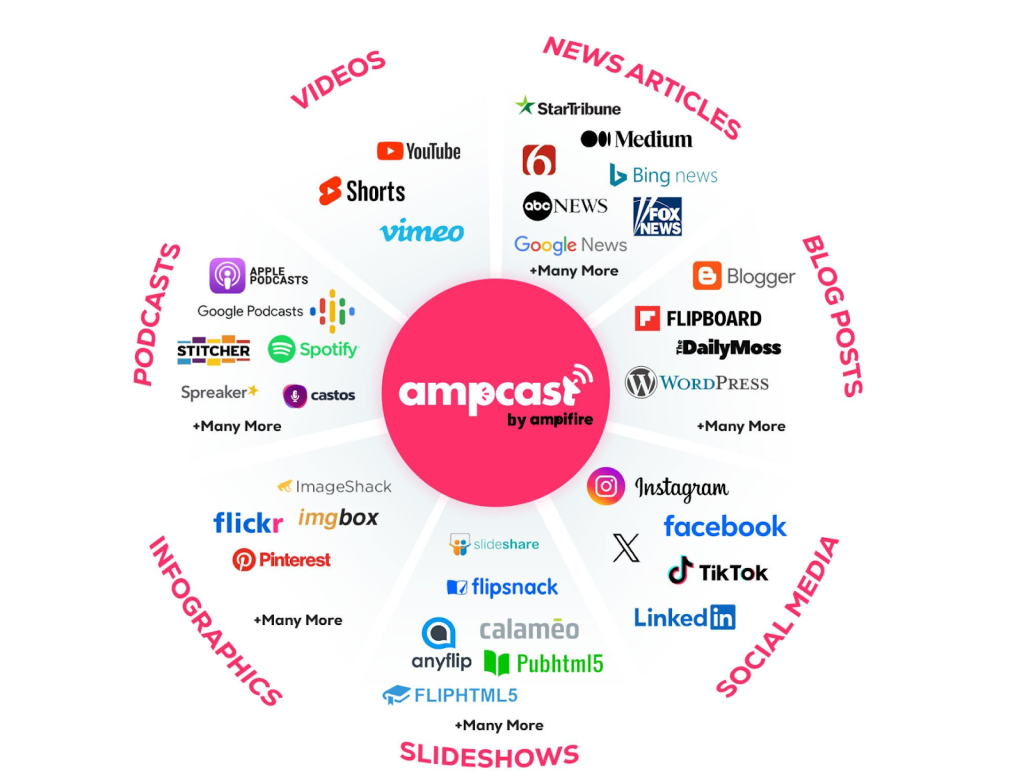
By combining research on buyer intent, multi-platform content creation, and automatic distribution, AmpiFire builds organic traffic that drives long-term leads and brand credibility across search, social, video, news, podcast platforms, and AI recommendations. This approach also delivers real-time insights into audience engagement, helping refine messaging and improve content ROI over time.
Frequently Asked Questions (FAQs)
What is the main difference between inbound and outbound marketing for B2B?
Inbound marketing attracts prospects through content, SEO, and social media, letting them come to you. Outbound proactively reaches prospects via cold emails, ads, or sales calls. Inbound is pull-based, outbound is push-based; both generate quality leads with proper execution.
Which strategy generates leads faster for B2B companies?
Outbound marketing delivers leads faster. Cold emails or LinkedIn campaigns can produce booked meetings within days, while inbound methods like SEO and content take months to generate consistent leads. Outbound suits urgent pipeline needs; inbound builds a steady long-term foundation.
Is inbound or outbound marketing more cost-effective for B2B?
Short-term, outbound may seem cost-effective due to faster results. Long-term, inbound often wins as SEO and content continue generating leads without extra spend. A strategic combination lets outbound fund immediate results while inbound compounds value over time.
Can B2B companies run inbound and outbound marketing at the same time?
Yes. Running both allows short-term lead generation through outbound while building sustainable inbound pipelines. Outbound can promote inbound content, and inbound can warm outbound prospects. Clear goals and metrics ensure each channel contributes efficiently without wasting resources.
How can I scale my content marketing without a big team?
Scaling content production is hard without dedicated staff. AmpiFire’s AmpCast AI allows companies to create 8 unique content types from a single topic and automatically distribute them across 300+ platforms, generating consistent traffic, social engagement, and leads with minimal manual effort.
*Disclaimer: Results may vary based on individual circumstances, business type, and content strategy. The time savings and outcomes mentioned are based on typical user experiences and are not guaranteed. For specific pricing and service details, please visit AmpiFire.
Author
Related Posts


Press Release Distribution vs Social Media Marketing for Brand Awareness: Differences & Examples
Compare press release distribution vs. social media for brand awareness. Learn key differences and benefits to choose the right strategy…

Email Marketing vs Content Marketing for Lead Generation: Differences & Similarities
Learn the differences between email marketing and content marketing for lead gen, and how AmpCast AI multicasts content to maximize…

ConvertKit vs ActiveCampaign for Email Automation: Differences & Pricing
Learn the key differences between ConvertKit and ActiveCampaign, including pricing and automation, and how AmpiFire helps expand your audience organically.


How to Boost Your eCommerce Brand Exposure: 7 Strategies for Building & Marketing a Successful Online Store [Examples]
When it comes to building a successful eCommerce brand, visibility is key. Whether you sell premium goods or are simply…

How to Repurpose Webinar Content: Tips & Examples
Learn webinar content repurposing strategies to maximize ROI. Transform webinar topic into multiple content formats with AmpiFire's automated AI platform—AmpCast.

How to Distribute Financial Content: Tips & Examples
Learn effective financial content distribution strategies. Reach more investors and finance bros across multiple channels with compliance-safe methods.