


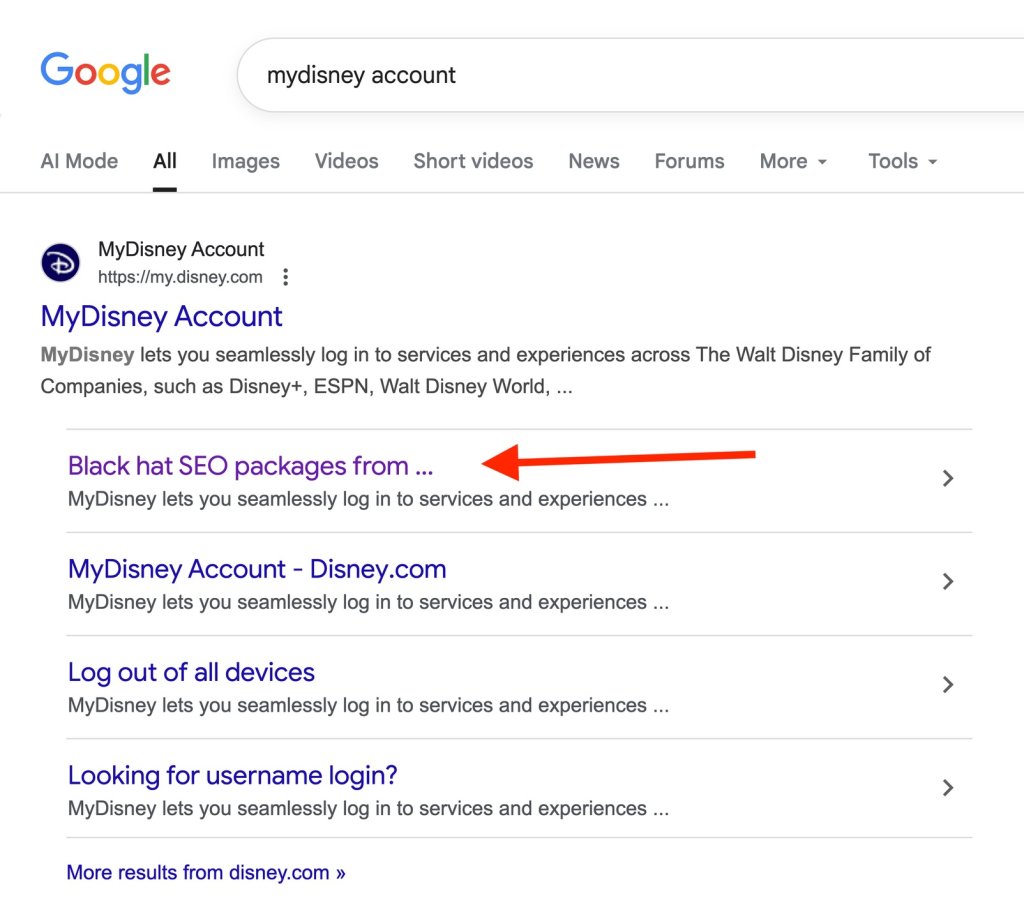
Some months ago, Disney briefly appeared in Google with a title along the lines of “Buy Black Hat SEO Packages – My Disney” on a login/account URL, and the internet did what it usually does: memes first, analysis second.
And then came the predictable conclusion from some corners:
“Here we conclude that Google still considers backlinks more important than content.”
But that’s the wrong takeaway.
What happened wasn’t so much “backlinks beat content” but external signals filling a vacuum that existed because the page had very few self-protective signals.
What Actually Happened
A bunch of low-quality sites pointed spam links at Disney’s login/account URL using anchor text like “black hat SEO packages”.
Normally, Google filters this kind of nonsense out, but Disney’s setup created the right conditions for Google to make a stupid-looking decision.
As Matt Diggity aptly recaps:
- The URL used a 302 redirect (so Google can keep the source URL indexed because it’s “temporary”)
- There was no canonical, so Google had no strong consolidation hint
- The page had virtually zero on-page content (the ultimate “signal vacuum”)
Once Google kept the redirecting URL indexed, the next problem kicked in: title rewriting.
Google has been rewriting titles for years when it thinks the HTML title doesn’t represent the page well, and it can pull from multiple places — on-page headings, link references, Open Graph titles… and of course, anchor text.
When a page gives Google almost nothing else to go by, anchor text becomes the loudest available clue. So Google did what machines do: it inferred the topic from the most repetitive external phrase pointing at the URL.
And that was bad news for Disney.
Technical SEO Is a Multiplier (for Better or Worse)
Yes, the redirect type matters. Yes, canonicals matter.
But technical SEO didn’t fail Disney as much as a really, really bad signal architecture did.
A redirect-only utility page with no reinforcing context is a dangerous single point of failure. When something goes wrong (and at scale, and especially if you’re a huge brand, something always does) there’s no surrounding content network to support meaning.
Technical SEO multiplies whatever exists.
And if what exists is thin or empty, it multiplies that too.
Why Anchor Text “Won” (But Why That’s a Bad Conclusion to Make in General)
Anchor text won, that’s true, but only because the content was weak.
In a healthy setup, Google sees a consistent story from a whole bunch of signals, the most important of which are:
- titles/descriptions
- on-page copy and headings
- internal links
- structured data
- solid entity/brand mentions elsewhere on the web
If all of the above are solidly in place, spammy anchors are just background noise.
But in a vacuum, they can become the main drivers of signal, especially in a SERP where Google is already comfortable rewriting titles that it believes aren’t exactly true to what you “meant.”
Utility Pages Shouldn’t Be in the Index in the First Place
This part is almost too obvious, which is probably why it gets ignored.
Pages like:
- login
- signup
- cart/checkout
- account portals
…almost never need to rank. Even when they “can,” it’s usually not worth the risk.
If they’re indexed and you attract spam anchors, you’re giving spammers a low-effort way to corrupt what people see about your brand in Google.
A simple noindex policy on utility pages removes a huge amount of surface area for this kind of mostly useless SERP weirdness.
The Missing Piece Most Brands Skip: Build Solid Coverage
Here’s the part from the “When Mickey Met Metadata” story that matters most for real marketing teams:
If your brand is well-understood as an entity — with consistent mentions, structured signals, and solid coverage across trusted places — Google is less likely to take random spam link signals seriously.
In other words: the stronger your brand authority footprint, the less vulnerable your SERP presentation becomes.
This is where SEO and PR stop being separate games… because Google (and ChatGPT) don’t just rank you.
They interpret you.
And that interpretation increasingly comes from distributed signals — not just your HTML – and the quality of those signals matters a lot more than most people think.
“Coverage” isn’t a vanity metric anymore
It’s extremely basic brand defense:
- consistent third-party mentions that match what you want to be known for
- content that reinforces your entity and topical relevance
- metadata consistency that reduces rewrite “options”
- structured data and authorship signals that help Google and the many, many other platforms where people look stuff up understand who you are
- a solid brand footprint that makes it hard for a few spammy anchors to hijack meaning
When you have that (and you’ll notice that that includes both great content and solid backlinks) Google doesn’t need to “guess.”
The AmpiFire Perspective: Content Strategy as Signal Safety
At AmpiFire, we don’t treat content as isolated blog posts or a technical checklist.
We treat it as essential brand safety:
- Research & target: pick topics that reinforce what you want to own (not what’s trendy)
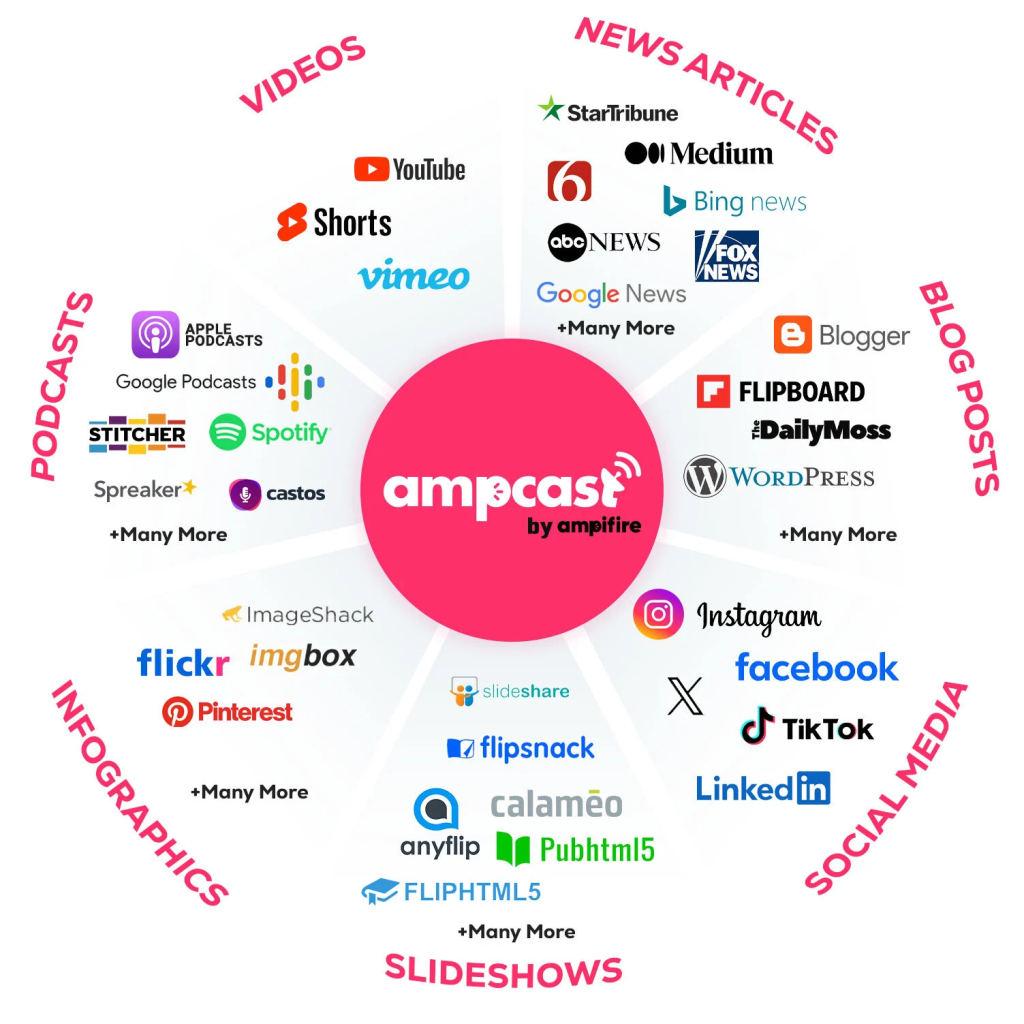
- Create & repurpose: build multiple strong interpretation anchors (articles, videos, audio, visuals, etc.)
- Distribute & amplify: create real coverage so the web reflects your intended narrative consistently, even redundantly, everywhere that matters
Technical SEO still matters, don’t get us wrong, but without solid coverage and distribution behind it, it’s just a clean-looking shell.
And, as Disney learned, shells crack super easily.
Author
Related Posts


How to Make Long Google Slide Decks in Claude (Save as Powerpoint Option)
Learn how to create long slide decks effortlessly in Claude Sonnet with tips and tools to enhance your presentations!


Profiting From Fear During A Crisis: The Hand Sanitizer Business Lesson Gone Wrong
Matt and Noah Colvin. Amazon. Hand sanitizer. You wouldn’t think those three together would make for an interesting story, but…

Keyword Tools Are Keeping You Poor, Stop Using Them
Do things smarter. Scale from there. Learn how to find the low competition, high value keywords nobody else is looking…

10 Expert Tips For Keeping & Closing Digital Marketing Clients During Tough Economic Times
Whether you are serving a growing industry, or helping your clients in a niche that might be struggling, you'll need…

5 Creative Content Creation Strategy Examples That Will Boost Your Online Store Sales
Creating high-quality content that people will respond to is one of the most difficult tasks for any business. But with…

How to Implement Your Own Brand News Writing Strategy: Inverted Pyramid Approach Explained
In this post, I'm showing you how to master the inverted pyramid style of writing that journalists use when crafting…