

Key Takeaways
- Business-to-business (B2B) Software as a Service (SaaS) companies pay about $237 per lead on average in 2026, based on First Page Sage’s blended figure across all marketing channels.
- Paid channels bring leads in fastest at about $310 each, nearly double the organic cost, but leads stop when the budget stops.
- Content and other organic channels cost about $164 per lead, roughly half the price of ads, and one strong article or video keeps generating leads for months after publishing.
- Many teams lower their blended cost by weighting budget toward content and adding ads on top, though deal size and close rate decide what a lead is worth.
- At AmpiFire, our AmpCast AI platform turns one topic into 8 content formats and publishes them across 300+ high-authority sites, building lower-cost organic leads that also help paid ads convert better.
Key Takeaways
- Business-to-business (B2B) Software as a Service (SaaS) companies pay about $237 per lead on average in 2026, based on First Page Sage’s blended figure across all marketing channels.
- Paid channels bring leads in fastest at about $310 each, nearly double the organic cost, but leads stop when the budget stops.
- Content and other organic channels cost about $164 per lead, roughly half the price of ads, and one strong article or video keeps generating leads for months after publishing.
- Many teams lower their blended cost by weighting budget toward content and adding ads on top, though deal size and close rate decide what a lead is worth.
- At AmpiFire, our AmpCast AI platform turns one topic into 8 content formats and publishes them across 300+ high-authority sites, building lower-cost organic leads that also help paid ads convert better.
How Channel Choice Changes B2B SaaS Lead Costs
B2B SaaS companies pay about $237 per lead in 2026, but few teams actually spend that exact figure. That number is a blended average, meaning it combines every marketing channel, and those channels carry very different price tags. Your own number depends mostly on where your leads come from.
Judging channels on raw cost alone can lead to the wrong cuts, because what a lead is worth depends on your deal size and how often leads turn into customers. Comparing channel costs side by side shows where your budget goes furthest.
At AmpiFire, we help B2B SaaS teams shift that mix toward organic channels by placing their content on the sites buyers already use to research software, such as YouTube, Spotify, and Google News.

How AmpiFire Works:
- Research & Target: Find high-demand topics your buyers search for.
- Create & Repurpose: AmpiFire’s AmpCast AI generates news articles, blog posts, interview podcasts, longer informational videos, reels/shorts, infographics, flipbooks/slideshows, and social posts.
- Distribute & Amplify: Auto-publish to 300+ sites, including Google News, YouTube, Spotify, and major news networks.
Get more traffic from people who want to buy your stuff, and powerful “As Seen On” trust badges for your site.
Do It Yourself (with AI), Done For You Content, & 100% Managed Organic Growth options available.
Grow Your Free Traffic From Everywhere
What B2B SaaS Companies Pay Per Lead in 2026
B2B SaaS sits in the middle of the pack for lead costs. According to First Page Sage’s 2026 cost per lead report, at a blended average of $237, it costs more than industries with fast, simple buying like eCommerce, where a lead averages $91. It costs far less than high-value fields like financial services at $653, where deals are large and sales cycles are long.
This wide range exists because a lead isn’t always the same thing. Some leads are early in their research, while others are ready to talk to sales, and they carry very different odds of buying.
Deal size matters too. A $500 lead can be a bargain for a company selling $100,000 contracts, and a waste for one selling a $3,000 plan. The channel you use moves the number up or down more than almost anything else.

Cost Per Lead From Paid Ads
Paid ads are the fastest way to bring in B2B SaaS leads, and also the most expensive. First Page Sage puts the average paid lead at $310 in 2026, nearly double the cost of an organic one.
Channels like Google Ads and LinkedIn Ads can get expensive because software categories are crowded and many companies bid for the same buyers. Prices climb even higher in competitive categories like CRM or analytics, where you pay for every click whether or not that visitor ever fills out a form.
The bigger drawback is that paid leads stop the moment the budget stops. When you pause a campaign, the leads dry up the same day. You are renting attention, not building something that lasts. For teams that need pipeline this quarter, that trade can be worth it. For steady, lower-cost growth, ads alone rarely do the job.
Cost Per Lead From Content
Content and other organic channels bring leads in at about $164 each, roughly half the cost of paid ads. Organic channels include search, blog posts, videos, podcasts, and social media that you do not pay to place in front of people.
Content costs less per lead for two reasons. First, you are not paying an auction price for every click. Second, a single strong article or video can keep pulling in leads for months or years after you publish it, so the cost per lead keeps dropping over time.
The catch is speed. Content takes weeks or months to build momentum, so it rewards patience.
Organic leads also arrive with a different mindset. People who find you while actively searching for a solution have chosen to look, while an ad reaches people who may not be shopping yet. That mix of low cost and active interest is why organic often returns more over the long run.
Content vs Ads: Which Costs Less Per Lead
On price alone, content wins. At $164 per lead against $310 for ads, organic channels cost about half as much for the same result. Over a year, that gap adds up fast for any team running steady lead generation.
But the smarter move is not picking one. Ads give you speed and predictable volume. Content gives you lower costs, staying power, and traffic from many places at once, which spreads your risk so you are not depending on a single channel.
When one source slows down, the others keep the pipeline moving. For most B2B SaaS budgets, a mix weighted toward content, with ads layered on top, delivers the lowest blended cost.
The two also help each other. Buyers rarely act on the first ad they see. They search your brand, read reviews, watch a video, and check a few sites before they trust you. When your content is there during that research, your ads convert better and your overall cost per lead drops.
B2B SaaS Cost Per Lead in 2026: Summary Table
| Channel Type | Content/Organic | Paid Ads | Blended (All Channels) |
| Average Cost Per Lead | $164 | $310 | $237 |
How B2B SaaS Companies Lower Their Cost Per Lead
Bringing down cost per lead usually comes from a few practical moves:
- Shift more budget to organic channels. Since content leads cost about half as much as paid ones, growing search, video, and podcast traffic lowers your blended cost over time.
- Match spend to lead quality. Track which channels produce leads that actually book demos, then move money toward those and away from cheap leads that never convert.
- Publish in more than one format. Turning one topic into a blog post, a video, and a podcast reaches buyers on the channels they already use, at little extra cost.
- Distribute widely. When buyers see your brand on YouTube, Spotify, and news sites during their research, they trust you sooner, and you pull in traffic from far more places than a single blog can reach.
- Use content to support ads. Give buyers something to find when they research your brand, so your paid campaigns work harder and cost less per conversion.

Lower Your B2B SaaS Cost Per Lead with AmpiFire
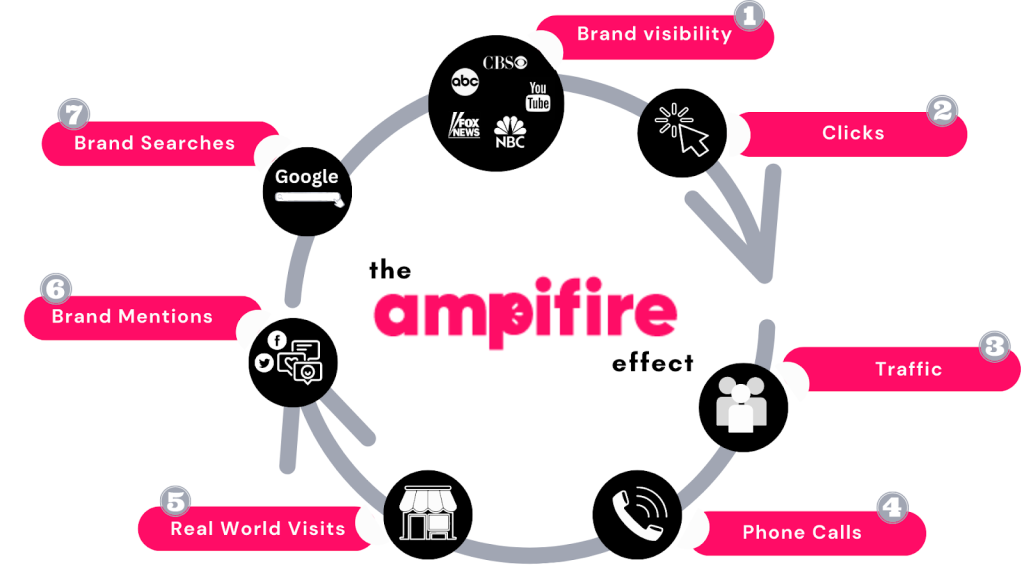
Paid ads buy speed at around $310 a lead, while content builds cheaper leads near $164 that keep arriving long after you publish. Run together, with content carrying most of the budget, they cost less than either alone. Track lead quality alongside price, since the leads that matter most are the ones that become customers.
That organic side is where AmpiFire fits. We use AmpCast AI to turn one high-demand topic that buyers research into 8 content formats (news articles, blog posts, interview podcasts, longer informational videos, reels/shorts, infographics, flipbooks/slideshows, and social posts), then automatically publish them across 300+ high-authority sites, including YouTube, Spotify, Pinterest, and more. This way, B2B SaaS buyers keep finding you through search, video, and podcasts instead of only through paid clicks. It builds steady, lower-cost leads and makes any ads you do run convert better. If you want to lower your cost per lead and grow your organic traffic, choose AmpiFire.
Frequently Asked Questions (FAQs)
What is a good cost per lead for B2B SaaS in 2026?
A good cost per lead depends more on your deal size and close rate than on any benchmark. As a guide, B2B SaaS averages about $237 blended in 2026, with content leads near $164 and paid leads near $310. A higher cost can still be healthy if those leads turn into large, long-term contracts.
Why do paid ads cost more per lead than content?
Paid ads charge an auction price for every click, and software categories are crowded with companies bidding for the same buyers. Content has no per-click fee, and one article or video can keep generating leads for months after you publish it. That staying power is why organic leads cost roughly half as much.
How long does content take to lower cost per lead?
Content usually needs a few months to build momentum, since search engines and audiences take time to find and trust it. Once it does, the cost per lead keeps falling because the same content brings in new leads at no extra cost. The payoff typically grows the longer that content stays live.
Should I care more about cost per lead or lead quality?
Lead quality almost always matters more. A $300 lead that books a demo and buys is far cheaper in the end than a $30 lead that never replies. Track how many leads from each channel become real opportunities, then judge cost against that, not against the raw price of a form fill.
How does AmpiFire help lower B2B SaaS cost per lead?
At AmpiFire, we lower lead costs by focusing on organic traffic, which is cheaper and longer-lasting than paid ads. We research the topics your buyers search before they purchase. Then our AmpCast AI platform turns each topic into a multi-format content campaign and automatically publishes it across hundreds of high-authority sites. This helps more buyers find you during research and builds steady, lower-cost leads.
*Disclaimer: Results may vary based on individual circumstances, business type, and content strategy. The time savings and outcomes mentioned are based on typical user experiences and are not guaranteed. For specific pricing and service details, please visit AmpiFire.
Author
Related Posts


Average Social Media Cost Per Lead 2026 Compared | Ads vs. Content
Key Takeaways: In 2026, paid social media advertising averages $65 per lead while organic content marketing costs $95 per lead,…

Average Cost per Lead on TikTok in 2026: Ads & Content
TikTok lead costs run $5 to $45 paid and $50 to $2,000 per organic video. See how AmpiFire lowers your…
Average Cost per Lead Instagram 2026: Ads vs Content
Instagram CPL in 2026 averages $5 to $30 for ads and $95 for organic. Learn how AmpiFire helps lower costs…
LinkedIn Average Cost per Lead in 2026: Content vs Ads Compared
LinkedIn CPL in 2026 ranges from $45 to $164. Compare paid vs organic costs and see how AmpiFire amplifies content…
Average Cost per Lead on YouTube: 2026 Ads vs Content Comparison
YouTube cost per lead in 2026 averages $8.42 for ads and $15 to $50 for organic content. See how format,…
Facebook Average Cost per Lead in 2026: Ads vs Content
Facebook's average CPL in 2026 runs $28-$50+. See how AmpiFire's organic content approach lowers your effective cost per lead over…