

Your clients are asking how to get recommended by ChatGPT, but most AEO methods don’t work. They answer with an audit, schema markup, and a list of fixes to their website. Ahrefs tested schema on 1,885 pages and found no meaningful rise in AI citations. The same is true for silly technical fixes, like adding an llms.txt file, which also have no impact.
So what actually works?
AI assistants name the brands they read about across hundreds of trusted sources, so the white-label AEO that works is the one that puts your client in those sources every month.
That platform is AmpiFire. It turns one question your client’s buyers ask into 8 formats and publishes them across 300+ sites, including news sites, YouTube, Spotify and Google News, all under your brand. Partners keep margins of 70% or higher, and AmpiFire does all the production and publishing.
Apply to become an AmpiFire partner and get the white-label AEO whitepaper, with the method, the pricing models and the client results.
Why Most White-Label AEO Doesn’t Get Clients Recommended
Most white-label AEO packages work on the client’s own website: an AI visibility audit, schema and structured data, an llms.txt file, rewrites of existing pages, and a report on which AI prompts mention the client. That work can tidy a site. It rarely changes what AI says about the business, for two reasons.
The first is how the models were built. ChatGPT and the others learned from most of the open internet without asking anyone for schema markup or a special file. Ahrefs put schema to a direct test in 2026: it tracked 1,885 pages that added JSON-LD schema against matched pages that didn’t, and found no meaningful rise in citations across Google AI Overviews, AI Mode, or ChatGPT (Search Engine Journal report on the Ahrefs study). Industry estimates still put $1.5 billion to $2.5 billion of 2026 spend into schema and technical AEO, which is why so many brands pay five figures for a tidy schema report but never see any significant movement in their organic traffic or AI recommendations.
The second is how AI decides who to recommend. A model forms its view of a brand from everything it reads about that brand across the web: how many places it appears, in how many formats, which publications mention it, and how consistent the story is. A brand that lives on one well-optimized website is close to invisible to it. A brand that appears across hundreds of trusted sites is the one it names.
Pumping out cheap AI articles on the client’s blog doesn’t solve that either. Google demotes large amounts of thin, generic content after a short early spike, and a portion of weak content can drag down the whole domain.
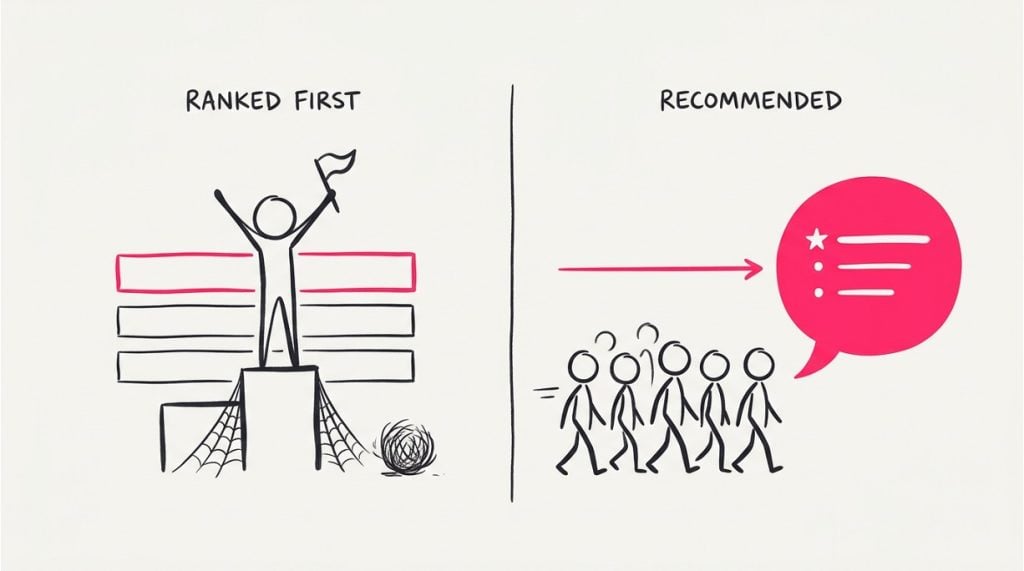
What Gets A Brand Named By AI
Buyers now research everywhere before they buy. Google handles roughly 14 billion searches a day, about 27% of the 50 billion-plus searches and questions people run daily across Google, YouTube, Amazon, TikTok, Instagram, Reddit, ChatGPT, and podcast apps (shares are estimates from platform-reported volumes). A typical buyer touches 7 to 12 of those places before choosing: an ad, a Google search, two YouTube reviews, a question to ChatGPT, a Reddit thread, then a news search to check the brand is real. Analytics tools like GA4 never see that journey, and the brand that keeps showing up across it wins the sale.
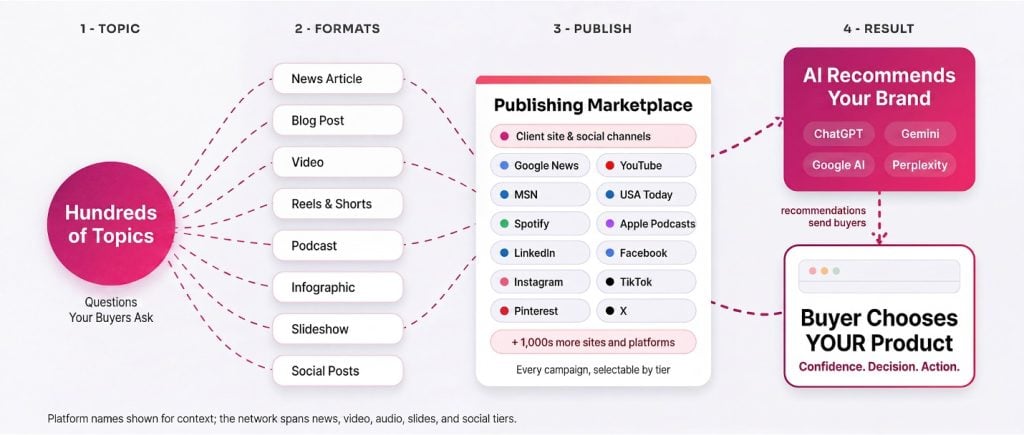
AmpiFire covers that journey with a method it calls MultiCasting. You pick one question your client’s buyers ask, and AmpiFire builds it into 8 formats: a news article, blog post, long video, reels and shorts, interview-style podcast, infographic, slideshow, and social posts. Each format is rebuilt for the platform it lives on, so the video doesn’t read out the article and the podcast doesn’t narrate the blog. Everything then publishes across 300+ sites and platforms (depending on the distribution package):
- Video, audio and social: YouTube, TikTok, Instagram, Facebook, X, LinkedIn, Pinterest, Spotify, Apple Podcasts, Amazon Music
- Discovery and news feeds: Google News, Google Discover, Apple News, Flipboard
- National news and finance: USA Today, Business Insider, Yahoo Finance, AP News, TheStreet, StreetInsider, Medium, MSN.com and the wider Microsoft network
- Document and image sites: SlideShare, Calameo, AnyFlip, image and infographic sites
- Local and niche: 500+ local NBC, ABC, CBS and Fox affiliate sites, local TV, radio and newspaper sites, and guest posts on niche blogs
For wider reach, you can add AmpiFire’s private marketplace of 3,000+ sites, all under strict editorial control.
Where the content is published decides how much AI cites it. AmpiFire published one identical article in the same week for the same product, once on a single basic distribution tier and once on a five-tier stack that put it on more sites and bigger, higher-authority ones such as MSN, USA Today, Business Insider and AP News. The stacked version earned roughly 14 times the AI citations and 6 times the organic traffic, with the content unchanged.
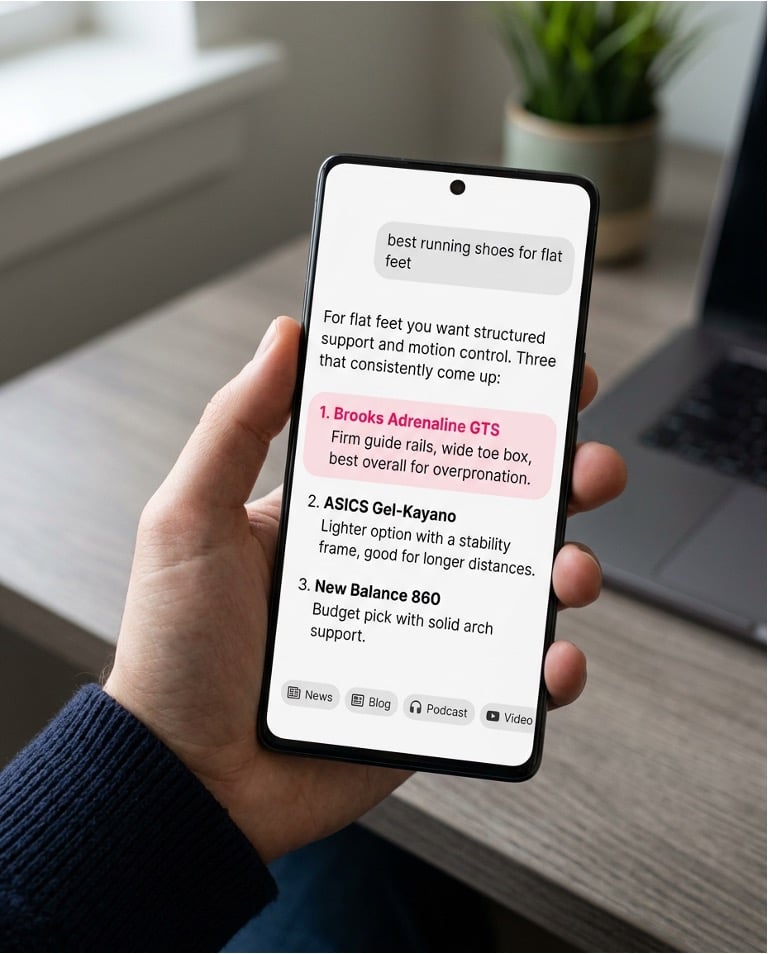
It shows up in the answers buyers see. AmpiFire clients get named across ChatGPT, Gemini, Perplexity, and Google’s AI answers in every kind of market, from ecommerce brands and premium products to health clinics and local service businesses. Across partner and client campaigns, one brand stacked up 10,064 brand mentions, another saw Google organic traffic rise 34% in a month with its first ChatGPT referrals arriving, and a clinic doubled its organic traffic after six campaigns with nothing else running.
How You Sell It Under Your Brand And Keep Over 70% Of The Profits
AmpiFire’s white-label program, DropServe, hands you the whole business ready to run:
- Reseller rights to all AmpiFire services, including multi-format publishing (8 formats on 300+ sites), MSN, USA Today and guest posts
- A white-label account and client portal for unlimited clients
- Proven sales and onboarding material, based on $80M+ in sales: sales page, email and DM templates, example ads, and a slide deck with script
- Data-driven sales tools for content topics and competitor analysis
- Done-for-you client setup, content plans and campaigns, with a Brand DNA tool so each client’s content is accurate
- Optional approval and editorial on your side
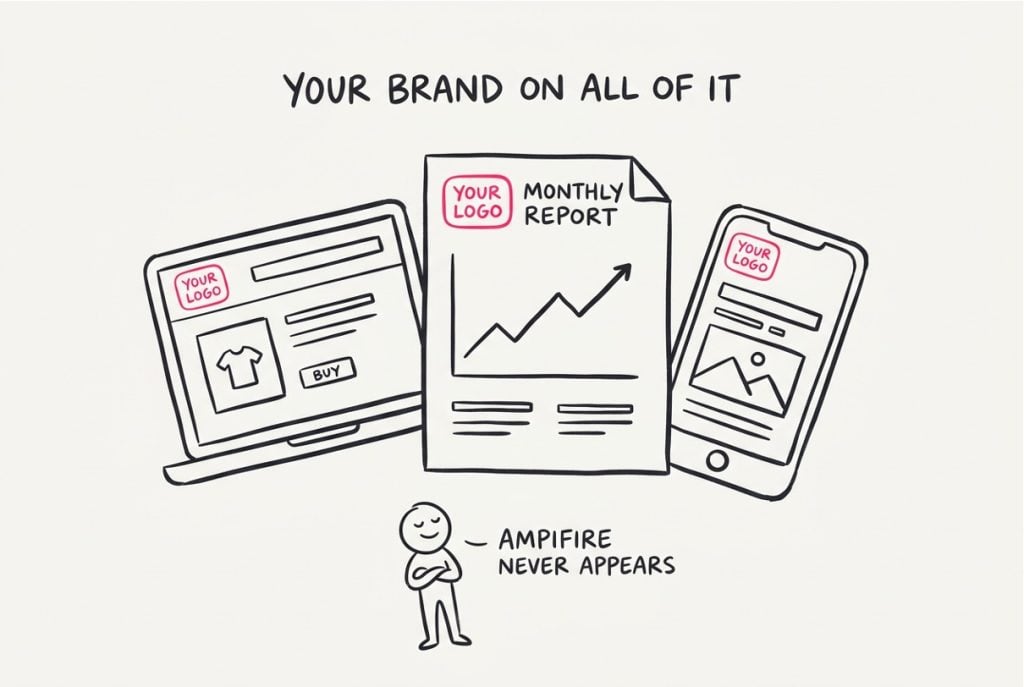
- Monthly client reports and quarterly business review templates under your brand
When a client buys from your store, production starts with a content plan built around the questions their buyers ask and the client’s own insights. AmpiFire’s team then produces every format, and each piece goes through a strict editorial process before you see it. AI is used to improve speed, quality and accuracy, but the content is human-driven from planning to publishing. You get one notification when the campaign is ready for review, typically on day 3 to 5. You then check the news article, blog post, interview podcast, videos, shorts and reels, infographic, slideshow and social posts in one place.
Nothing publishes until you approve it, unless you choose auto-approval. Once you do, it goes out across 300+ sites under your brand, and each month your client receives a report with your logo showing placements, AI citations and traffic. AmpiFire also optionally answers frontline client questions under your name, so you keep the client relationship without becoming the help desk.
White-label resellers get AmpiFire’s best rates, and margins of 70-90% are typical. Producing the same 8 formats through separate freelancers takes 2 to 4 weeks, so a monthly campaign holds up well when a client compares. Because AmpiFire’s editors handle all the production and publishing, you can take on 50 clients the way you take on five. These are real partner numbers:
- Brent bills $997 a month per client.
- Cam bills $1,300 a month.
- Logan’s first larger client paid $2,300 a month.
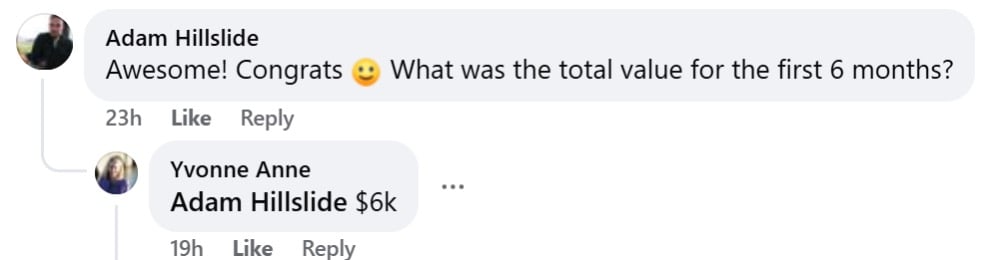
- Yvonne was paid $6,000 up front for the first six months.
- Denker bills $10,500 a month, plus $21,000 up front.
- Hypr Digital Marketing invoiced $52,000 as a year up front for one financial client, on five campaigns a month.
If you run paid ads for clients, the service fits inside budgets you already manage. You can move a small share of an existing ad budget into AEO sold under your brand and add a high-margin line to the same client relationship, without asking for new budget. The ads you keep running also convert better, because on documented AmpiFire client campaigns, buyers who had already seen the brand across their research converted about 2.4 times better on paid ads.
Apply as a partner and the whitepaper sets out campaign, retainer and performance pricing, with the numbers against each.
Prove The Return To Clients In Sales
Clients judge ads by return on ad spend, which stops the day the ad budget stops. AmpiFire measures content by Return On Content Spend (ROCS): the monthly sales that come from the content, divided by what the client spends on it. A campaign that costs $5,000 a month and drives $50,000 in monthly sales is running at 10x, and because the content keeps working after it publishes, the number climbs even when spend stays flat. Well-run campaigns deliver 5 to 50x, with 10 to 20x typical.
A fitness equipment manufacturer reached 41,000 monthly visitors from content and $307,500 a month in sales from content by month 15, on $5,000 a month of campaigns, which is about 61.5x. By then, 73% of that traffic came from content published six or more months earlier, and the share of the store’s traffic that depended on paid ads had fallen from 90% to 60%.

Smaller businesses see it too. Stacy runs Little People’s Cove, an educational toy store, on her own alongside a full-time job. Publishing 2 to 3 campaigns a week, her revenue is up 43% on last year and referrals have started arriving straight from ChatGPT. Partners get debranded case studies like these, with real Search Console data, to put their own logo on and use in their first pitch.
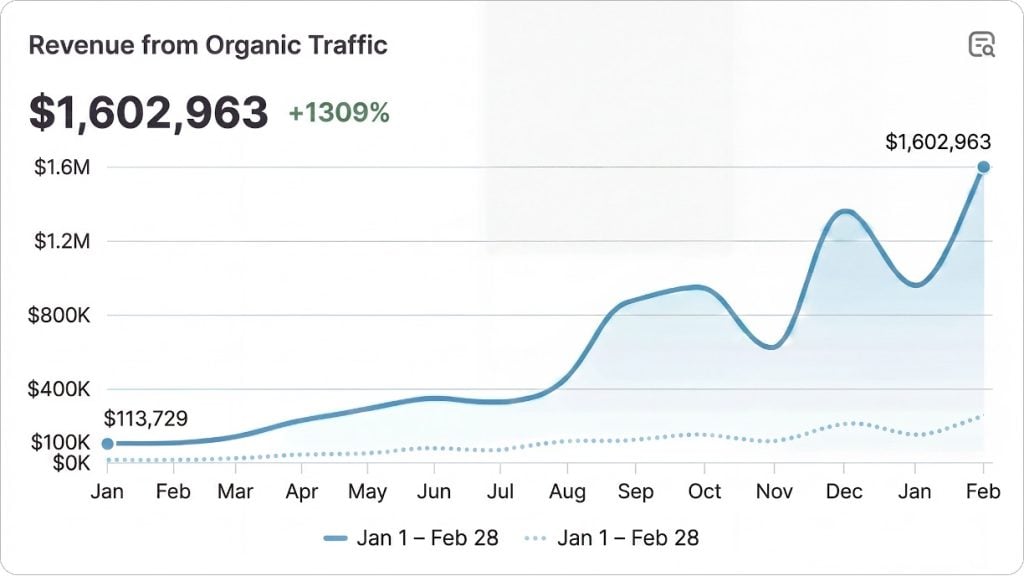
Content compounds, so tell clients to expect meaningful results in 6 to 12 months. Clients who hear that up front stay through it. Results vary by niche, budget, and consistency.
AI assistants keep citing the brands they already see across trusted sources, so the brands named first get harder to displace, and the agencies that can deliver it keep those clients. AmpiFire is an eight-figure business, and 450+ agencies and consultants already resell MultiCasting under their own brands. It fits SEO, AEO, PPC, PR, social, and full-service agencies whose clients already pay monthly, and consultants who want a recurring service without hiring a production team.
Apply as a partner and you get the white-label AEO whitepaper straight away, with the full method, the distribution tiers, three pricing models, and the client case studies. You also get a private demo and a short call to set your partner rates against your own client list.
Author
Related Posts


Selfpublishing.com: Features, Benefits & Pricing – Is it a Legit Platform for Authors?
Explore selfpublishing.com's programs, benefits, and pricing to see if it's the best platform for aspiring authors in our detailed review.
DesignRush Platform Features & Pricing: Should You List Your Agency in This Directory?
Learn whether listing your agency on DesignRush can boost your visibility—read our in-depth review of its pros, cons, and features.


PromoRepublic Reviews & Pricing Plans: Is This Agentic Local Marketing Platform Legit?
Read PromoRepublic reviews and pricing plans. Discover if this agentic local marketing platform is legit and worth trying today.

Ranktracker Reviews, Price & Alternatives: Is This All-In-One SEO Platform Legit?
See Ranktracker reviews, pricing, and alternatives. Find out if this all-in-one SEO platform is legit and how it compares to…


Similarweb Pricing, Reviews & Features: Is This Digital Intelligence Platform Worth It?
Similarweb pricing starts at $129/month, or $99/month billed annually. Compare self-serve tiers, enterprise packages, user ratings, and hidden costs in…

Reply.io Reviews & Pricing: Is It a Good AI Sales Automation Platform?
Read Reply.io reviews and learn pricing for 2026. See if this AI sales automation platform fits your B2B team, with…