

Key Takeaways
- Influencer marketing drives quick reach and short-term visibility, while ambassador programs focus on long-term trust and consistency.
- Influencers work on short campaigns, while ambassadors build ongoing relationships with a deeper brand connection and loyalty.
- If you need fast visibility, start with a micro-influencer campaign; if you want long-term growth, build an ambassador program around your existing loyal customers.
- AmpiFire’s AmpCast AI turns one topic into 8 content formats (news articles, blog posts, interview podcasts, longer informational videos, reels/shorts, infographics, flipbooks/slideshows, and social posts) and publishes to 300+ sites, including Google News, YouTube, and Spotify.
Influencer Marketing vs Brand Ambassador Programs for Engagement: An Overview
Choosing between influencer marketing and a brand ambassador program is a key decision for any brand aiming to increase engagement. While both rely on real people to promote your business, they operate very differently.
Influencer marketing is built for short-term impact, delivering quick reach, visibility, and bursts of attention through campaign-based promotions. In contrast, brand ambassador programs focus on long-term engagement by building trust, consistency, and deeper relationships with your audience over time.
Understanding this difference matters. It helps you align your strategy with your goals, if you need immediate exposure or sustained brand loyalty, so you can avoid wasted budget and create a more effective, scalable marketing approach.

How AmpiFire Works:
- Research & Target: Find high-demand topics your buyers search for.
- Create & Repurpose: AmpiFire’s AmpCast AI generates news articles, blog posts, interview podcasts, longer informational videos, reels/shorts, infographics, flipbooks/slideshows, and social posts.
- Distribute & Amplify: Auto-publish to 300+ sites, including Google News, YouTube, Spotify, and major news networks.
Get more traffic from people who want to buy your stuff, and powerful “As Seen On” trust badges for your site.
Do It Yourself (with AI), Done For You Content, & 100% Managed Organic Growth options available.
Grow Your Free Traffic From Everywhere
What Is Influencer Marketing?
Influencer marketing is a strategy where brands partner with content creators who have built a loyal audience in a specific niche. These influencers promote products through posts, videos, stories, or reviews, helping brands reach targeted audiences quickly.
How Influencers Build & Monetize Their Audiences
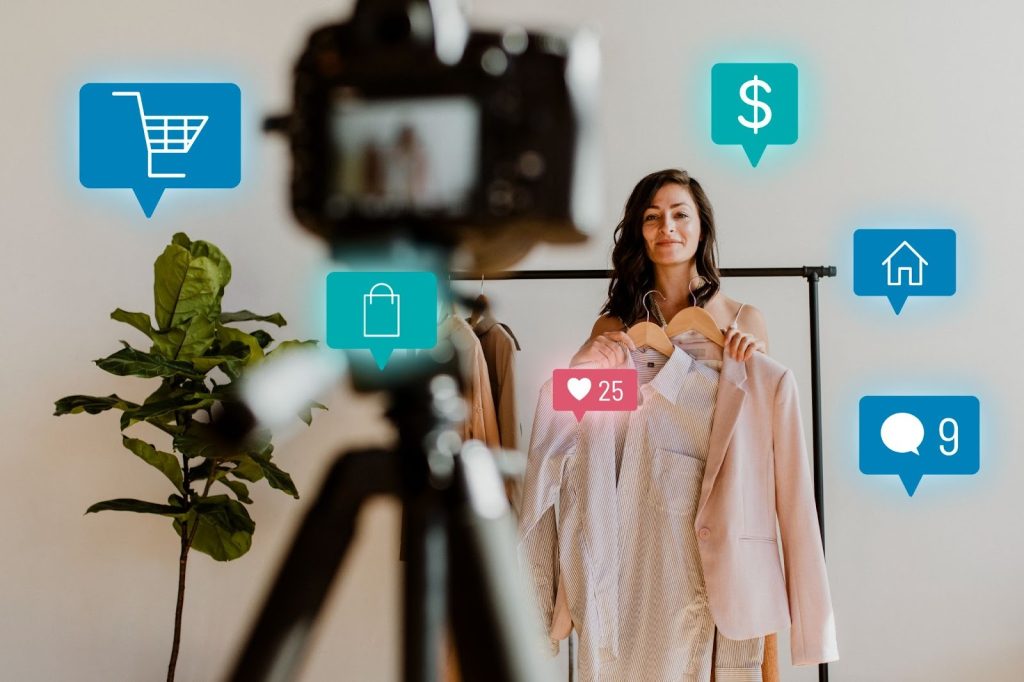
Influencers and UGC creators grow by consistently sharing valuable, niche-focused content. Over time, this builds trust, which is what brands pay for.
They monetize through paid posts, affiliate commissions, gifted products, long-term brand deals, and ad revenue programs like the YouTube Partner Program and TikTok Creator Fund.
They also earn by selling digital products such as courses or e-books, offering merchandise via Shopify, running paid memberships, and creating UGC content for brands to use in ads without posting it on their own channels.
Short-Term Campaigns vs. Long-Term Brand Goals
Influencer marketing delivers fast visibility, making it effective for launches or promotions. However, results are often short-lived. Once marketing campaigns end, traffic and attention usually drop, making it less reliable for long-term growth.
What Is a Brand Ambassador Program?
A brand ambassador program is a long-term partnership where individuals consistently represent your brand over time.
These ambassadors, often loyal customers, employees, or niche experts, genuinely believe in your product and promote it through social content, events, referrals, and everyday conversations, acting as an extension of your marketing team.
How Brand Ambassadors Differ From Sponsored Posters
The key difference is depth and consistency. Sponsored posts are one-time deliverables, while ambassadors build an ongoing relationship with your brand. They understand your values, voice, and products, which leads to more authentic, detailed, and credible content compared to typical paid promotions.
Why Ambassadors Often Already Love Your Brand Before You Recruit Them
The most effective ambassadors are already fans, repeat customers, or engaged followers who naturally promote your brand. By formalising this relationship with incentives, structure, and recognition, brands can scale this organic advocacy while keeping it genuine and trustworthy.

Influencer Marketing vs Brand Ambassador: The Core Differences
While both strategies involve creators promoting your brand, they serve different goals. Influencer marketing is built for quick exposure and large reach, while brand ambassador programs focus on long-term relationships, trust, and ongoing advocacy.
The differences become clear when you look at how each one works across duration, authenticity, exclusivity, compensation, and audience impact.
Duration: Campaign-Based vs. Ongoing Relationship
Influencer campaigns are usually short-term and tied to specific goals like product launches or seasonal promotions. Once the campaign ends, the promotion stops. Brand ambassadors, however, maintain long-term relationships with your brand, often for months or years. This ongoing presence helps reinforce your message and build stronger brand familiarity over time.
Authenticity: Paid Promotion vs. Genuine Advocacy
Influencer content is often clearly sponsored, which can sometimes reduce trust if the product feels out of place. Brand ambassadors typically already use and believe in your product, so their content feels more natural and personal. This genuine advocacy leads to stronger engagement and higher trust with their audience.
Exclusivity: Multi-Brand Deals vs. Single Brand Loyalty
Influencers frequently work with multiple brands, sometimes even competitors, which can weaken brand association. Brand ambassadors are often more selective and may sign exclusivity agreements within a niche, helping build a stronger and more consistent brand identity. This loyalty makes their recommendations feel more credible and focused.
Compensation: Per-Post Fees vs. Commissions, Perks & Free Products
Influencers are usually paid fixed fees per post, video, or campaign, which can become expensive at scale. Brand ambassadors are often compensated through a mix of commissions, free products, exclusive perks, and long-term incentives. This makes ambassador programs more flexible and accessible while encouraging ongoing performance and engagement. Companies can formally celebrate exceptional partnership milestones with personalized crystal awards, giving long-standing ambassadors recognition beyond commissions, products, or campaign incentives
Audience Size: Broad Reach vs. Loyal Niche Following
Influencers, especially at the macro and mega level, can deliver massive reach and visibility in a short time. However, engagement rates may be lower due to their broad audience. Brand ambassadors typically have smaller but highly loyal audiences, where trust is stronger, and recommendations carry more weight, often leading to better conversions and long-term customer relationships.
Influencer Marketing vs Brand Ambassador Programs: Comparison Table
| Aspect | Influencer Marketing | Brand Ambassador Program |
| Purpose | Drives quick reach and fast visibility for campaigns | Builds long-term trust, loyalty, and ongoing advocacy |
| Relationship | Short-term, campaign-based partnerships | Long-term, consistent relationship with the brand |
| Content Style | Sponsored posts, reviews, and promotions | Authentic, natural promotion based on genuine use |
| Audience | Broad reach with large or niche audiences | Smaller but highly loyal and engaged audiences |
| Engagement | Higher with nano/micro influencers; varies by size | Strong, consistent engagement due to trust |
| Compensation | Paid per post, campaign, or deliverable | Mix of commissions, perks, free products, incentives |
| Brand Loyalty | Often works with multiple brands | Typically more selective, sometimes exclusive |
| Results | Immediate impact, short-lived after the campaign ends | Slower growth but long-term, compounding impact |
Why AmpiFire Helps You Grow Your Influencer & Ambassador Strategy Faster
Building strong influencer and brand ambassador programs requires consistent visibility across multiple platforms. AmpiFire’s AmpCast AI helps by turning a single topic into 8 unique content formats (news articles, blog posts, interview podcasts, longer informational videos, reels/shorts, infographics, flipbooks/slideshows, and social posts) and distributing them across 300+ sites, including Google News, YouTube, Spotify, Pinterest, and more. This helps your brand reach wider audiences and stay visible where people are already searching, scrolling, and watching.
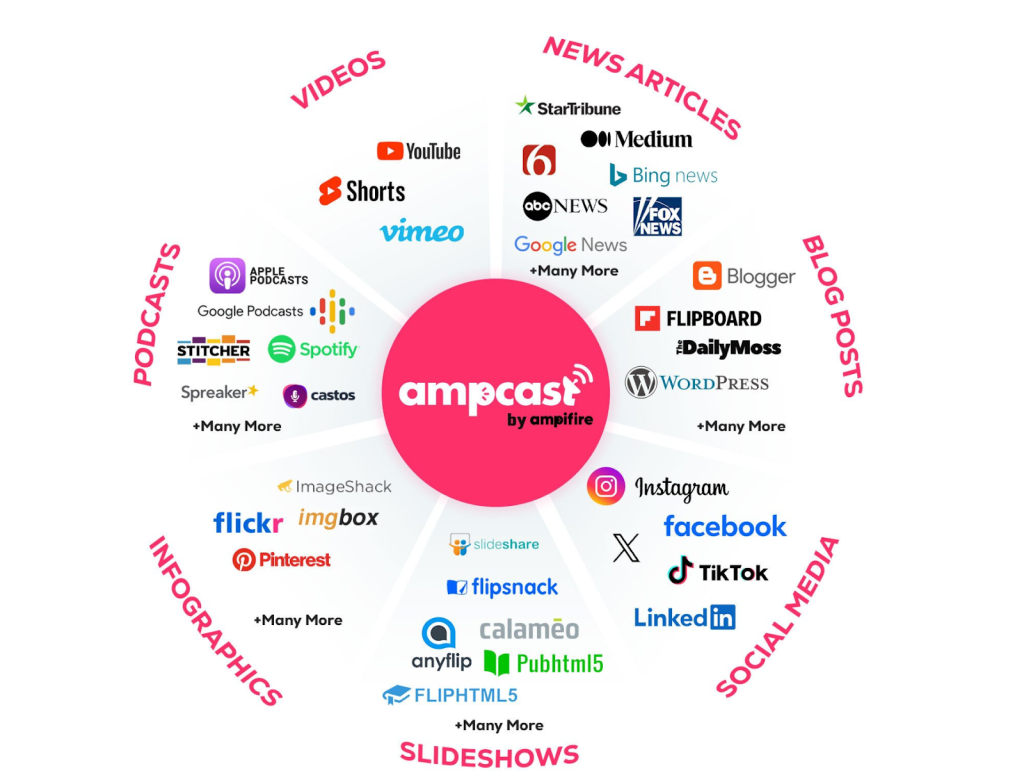
By expanding your content across search, social media, video, and AI recommendations, we help you attract more attention, build trust, and create more opportunities to connect with both influencers and potential ambassadors. Instead of relying on one channel, you build a consistent presence across many, making your brand easier to find and remember over time.
Frequently Asked Questions (FAQs)
What is the main difference between an influencer and a brand ambassador?
An influencer is hired for a specific campaign with clear deliverables, and the relationship usually ends after that. A brand ambassador is a long-term partner who consistently represents your brand and often has a genuine connection to it. Influencer marketing focuses on quick awareness, while ambassador programs build ongoing trust and long-term impact.
Which is more cost-effective: influencer marketing or a brand ambassador program?
Brand ambassador programs are often more cost-effective over time, especially when working with loyal customers or niche advocates rewarded through perks, commissions, or products. They deliver stronger engagement at a lower ongoing cost. Influencer marketing can still be efficient, particularly with micro-influencers, when you need fast results and short-term reach.
Can a brand ambassador also be an influencer?
Yes, many ambassadors are also influencers, especially if they already have an engaged audience. If a creator promotes your brand consistently and has a real connection to it, they can function as both. The key difference is that the relationship, long-term commitment, and alignment matter more than follower count.
How do you measure engagement from influencer marketing vs brand ambassador programs?
Influencer marketing is measured through reach, impressions, engagement rate, clicks, social media engagement, ROI, brand awareness, audience growth, and conversions. These are short-term performance metrics.
Brand ambassador programs focus on referrals, repeat purchases, UGC volume, discount code usage, lifetime value, and long-term brand sentiment, along with customer engagement and conversions. Their impact builds over time, so measurement requires a longer tracking window.
How do you recruit brand ambassadors for your program?
The best ambassadors are often your most engaged customers who already leave reviews or share your content. Supporting and amplifying their voice helps turn loyalty into advocacy. You can also use tools like AmpiFire’s AmpCast AI to turn one topic into 8 different content formats and distribute it across 300+ sites, including Google News, YouTube, Spotify, and major news networks, helping you reach more potential ambassadors.
*Disclaimer: Results may vary based on individual circumstances, business type, and content strategy. The time savings and outcomes mentioned are based on typical user experiences and are not guaranteed. For specific pricing and service details, please visit AmpiFire.
Author
Related Posts

Influencer Hero Reviews, Pricing & Alternatives: Is This Influencer Marketing App Legit?
Learn Influencer Hero's pricing, core features, and how it compares to GRIN and Modash. Read real reviews to find out…

Heepsy Reviews & Pricing: Is This Influencer Marketing Tool Legit?
See what Heepsy reviews and pricing reveal about this influencer marketing tool, from creator search and audience checks to plans…


Content Marketing vs Traditional Marketing: What’s the Difference?
Learn about the key differences between content marketing and traditional marketing, including their pros and cons, and how each can…


HubSpot vs Marketo Marketing Automation Software: What’s the Difference?
Compare HubSpot vs Marketo on features and pricing. See how AmpCast AI's content distribution amplifies results.

How to Boost Your eCommerce Brand Exposure: 7 Strategies for Building & Marketing a Successful Online Store [Examples]
When it comes to building a successful eCommerce brand, visibility is key. Whether you sell premium goods or are simply…


How to Get More Engagement on Facebook Posts: Best Practices in 2026
Learn how to get more engagement on Facebook posts in 2026 through native video, polls, and fast replies, then see…